Diameter Specifications and Tensile Properties Explaining What Are Mini Dental Implants
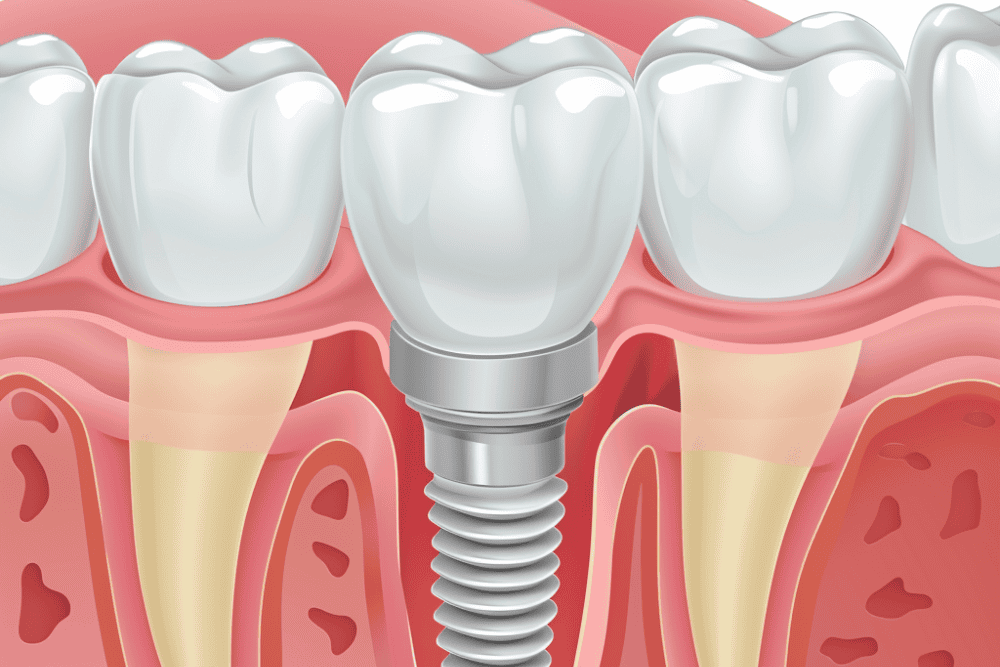
The SmileNote technical engineering database reviews the physical properties, metallurgical constraints, and mechanical dynamics governing modern prosthodontic therapies. The clinical deployment of endosseous fixtures into the human mandible or maxilla is fundamentally an exercise in structural engineering, materials science, and load distribution. When investigating the structural divergence from standard protocols, understanding what are mini dental implants requires a precise mechanical audit of their titanium alloy composition, thread pitch geometry, and the unique tensile stress factors they endure. This analysis breaks down the mechanical parameters and thermodynamic principles that dictate the efficiency, load-bearing capacity, and safety of narrow-diameter implantology.
The structural integrity of a dental implant is inextricably linked to its cross-sectional diameter. Standard implants feature diameters of 3.5 millimeters to 5.0 millimeters, providing a massive structural core that resists cyclical masticatory fatigue. In stark contrast, when defining what are mini dental implants, the engineering specifications dictate a diameter strictly less than 3.0 millimeters. This extreme reduction in core bulk radically alters the moment of inertia and the flexural strength of the device. To prevent catastrophic material fracture under the immense, repetitive shearing forces of the human masseter muscle, the metallurgical composition must be heavily optimized.
Material Science Defining What Are Mini Dental Implants
Pure titanium (Grade 1 through Grade 4) is frequently utilized in standard implants due to its unparalleled biocompatibility and excellent corrosion resistance. However, pure titanium possesses a relatively low yield strength. If a narrow-diameter implant were manufactured from pure Grade 4 titanium, it would be highly susceptible to plastic deformation and eventual fatigue fracture under lateral loads.
The Titanium Ti-6Al-4V Alloy Upgrade
To achieve the necessary mechanical robustness, engineers mandate the use of Titanium Grade 5 alloy, formally known as Ti-6Al-4V. This specific formulation incorporates six percent aluminum and four percent vanadium into the titanium matrix. The inclusion of aluminum stabilizes the alpha phase of the metal, significantly increasing its tensile strength and decreasing its density, while vanadium stabilizes the beta phase, allowing the alloy to be heat-treated for even greater hardness. The resulting Ti-6Al-4V alloy possesses a tensile strength approaching 900 Megapascals, nearly double that of commercially pure titanium. This metallurgical upgrade is the absolute foundational requirement that allows an implant with a 2.0-millimeter diameter to successfully withstand the dynamic kinetic energy of the stomatognathic system without structural failure.
Torque Dynamics and Insertion Mechanics
The methodology of placing these narrow fixtures deviates substantially from standard surgical protocols, relying heavily on precise torque dynamics. Standard implants require a staged drilling sequence utilizing increasingly larger burs to create an osteotomy that perfectly matches the implant's diameter, allowing for passive seating.
Self-Tapping and Bone Condensation
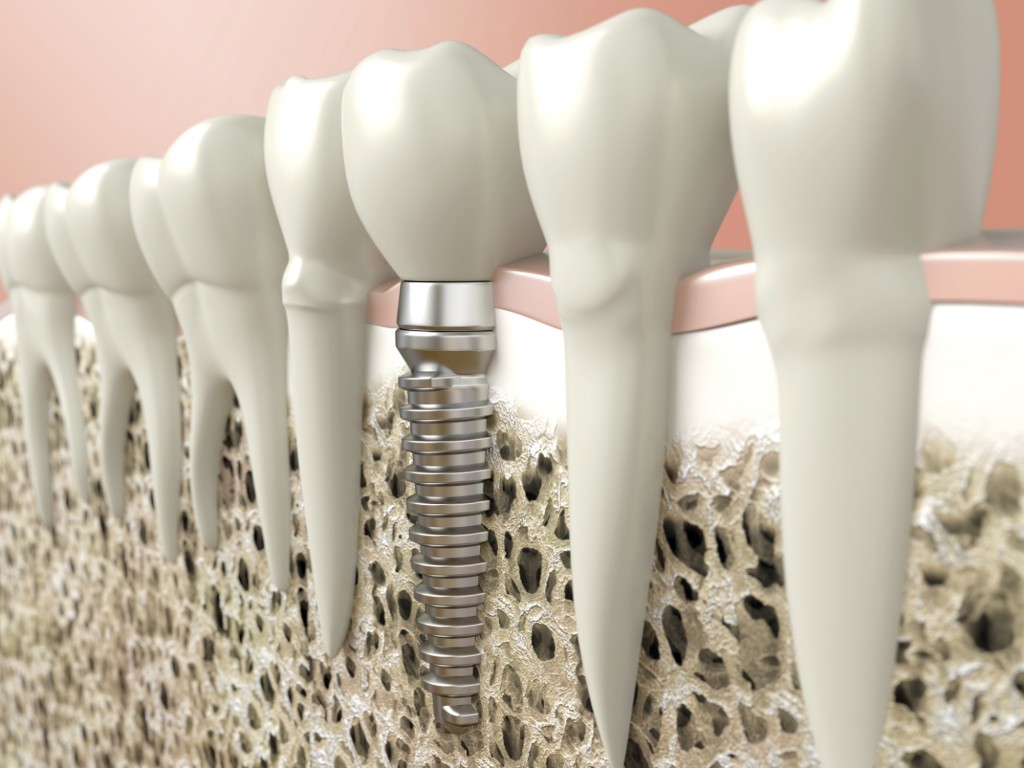
Conversely, the mechanical design of these narrow devices relies on a self-tapping, bone-condensing insertion protocol. The clinician prepares a single, extremely narrow pilot hole—often just 1.2 millimeters in diameter. The fixture itself features an aggressive thread pitch and a tapered apical geometry. As the implant is rotated into the undersized osteotomy, the threads actively cut into the trabecular bone while the increasing diameter of the core compresses the surrounding osseous tissue outward. This mechanical condensation significantly increases the localized bone density directly adjacent to the implant interface. The insertion torque generated during this process is carefully monitored; achieving an insertion torque exceeding 35 Newton-centimeters is mechanically essential, as it guarantees the absolute primary stability required to immediately load the implant with a functional prosthesis without causing harmful micromotion at the bone interface.
Stress Vectors on What Are Mini Dental Implants
Once successfully integrated, the operational survival of the system relies entirely on the strategic management of load vectors. The restorative interface typically features an O-ring housing embedded within an acrylic overdenture, which engages the spherical ball abutment of the unibody implant.
Load Dissipation and Resilient Attachments
This specific attachment mechanism is engineered to act as a shock absorber. When the patient generates occlusal force, the elastic rubber O-ring compresses, allowing the denture to microscopic tissue-ward movement. This engineering design ensures that the primary compressive load is transferred to the resilient posterior mucosal tissues of the alveolar ridge, rather than being driven entirely down the long axis of the narrow titanium post. Furthermore, the spherical nature of the abutment permits a degree of rotational freedom, effectively dissipating deleterious lateral and shear forces that would otherwise act as a destructive cantilever against the thin implant neck. The entire biomechanical system is meticulously designed to distribute kinetic energy away from the vulnerable implant-bone interface, ensuring long-term structural viability.
To fundamentally answer the question, what is a mini dental implant, one must recognize that the targeted stabilization of prostheses utilizing these narrow-diameter fixtures is a highly engineered, mathematically calculated process. The successful execution of this therapy is entirely dependent upon the utilization of high-tensile Ti-6Al-4V alloys, the aggressive bone-condensing mechanics of insertion, and the implementation of resilient attachment housings that effectively dissipate lateral stress vectors. Understanding these mechanical parameters ensures the structural integrity of the device is preserved under extreme operational loads.