Is That High-Pitched Whine Worth It? Understanding Ultrasonic Teeth Cleaning in the Chair
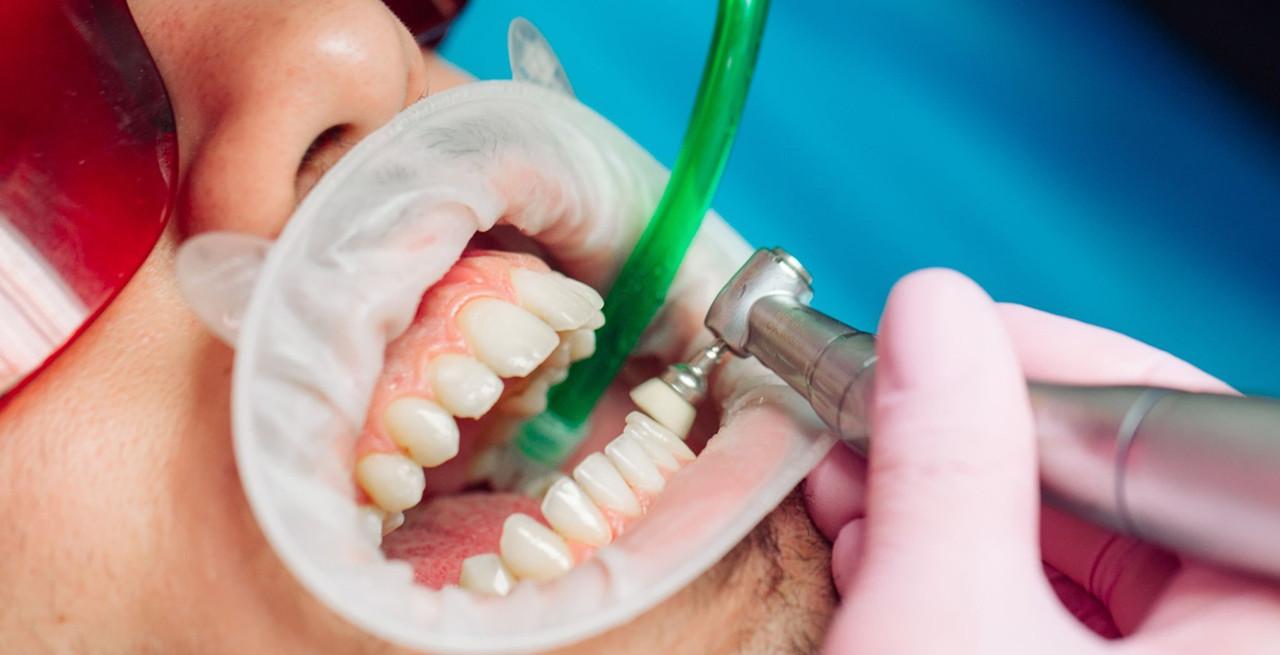
When I sit a patient down and grab the handle that squirts water, I often see them tense up. They hear that high-pitched "eeeeeee" sound and instinctively grab the armrests. I always pause and explain: "This is the ultrasonic teeth cleaning tool, and it’s actually going to make things faster and gentler." In my office at SmileNote, we call it the "power washer" for your teeth. It replaces a lot of the heavy hand-scraping that people hate. But I know the sound is annoying, and the water can be cold. Let’s talk about why I use it, what you are feeling while I work, and why it gets your teeth cleaner than I ever could with just a hand tool.
The Sensation: Vibration vs. Scraping
The biggest difference you will notice is the feeling.
Why It Tickles
With traditional metal picks, you feel a lot of pressure and pulling. You hear a "scrape, scrape" noise that vibrates through your skull. With ultrasonic teeth cleaning, there is almost zero pressure. I barely touch your tooth with the tip. What you feel is a very fast vibration—like an electric toothbrush on steroids—and a lot of water. Some patients say it tickles; others find the vibration a bit intense near the gumline. The key is that I am not digging. The tool is vibrating the tartar off. This means less tugging on your gums and usually less soreness after the appointment.
.jpg)
Dealing with the Water and Sensitivity
The number one complaint I get with this tool is the cold water.
The "Zing" Factor
The ultrasonic tip gets hot because it vibrates so fast, so it has to spray water constantly to keep your tooth cool. If you have sensitive teeth (receding gums), that cold water can cause a "zing" or a sharp shock. This is the main downside of ultrasonic teeth cleaning for some people. If this happens to you, tell me immediately! I can turn the water temperature up if my unit allows, or I can switch to a manual tool for those sensitive spots. We can also use a numbing gel. Don't suffer in silence; we have tricks to manage the cold.
Why We Can't Just Use the Hand Tools
Patients sometimes ask, "Can't you just scrape it by hand? I hate the water."
Reaching the Unreachable
I could, but it wouldn't be as good. The ultrasonic teeth cleaning tip is tiny. It can flush out bacteria from deep pockets under your gums that my hand tools simply cannot reach. The water spray also washes away the blood and debris instantly, so I can see exactly what I am doing. For patients with a lot of buildup (tartar), the ultrasonic is a must. If I tried to remove heavy tartar by hand, we would be here for two hours, and your jaw would be exhausted. The ultrasonic blasts through heavy buildup in minutes.
The Noise Factor
Let’s be honest: the sound is annoying.
Tuning It Out
That high-pitched whine is the frequency of the tip vibration. It can also interfere with hearing aids. If you wear hearing aids, please take them out or turn them down before we start ultrasonic teeth cleaning. For everyone else, headphones are your best friend. Pop in your earbuds, put on your favorite playlist or podcast, and the sound will disappear. Since I don't need you to answer questions while I’m working, zoning out is perfectly fine.
The ultrasonic teeth cleaning tool is the workhorse of modern dentistry. It might be noisy and a little wet, but it provides a level of clean that protects your gums better than scraping alone. It flushes out the bad bugs and vibrates the rocks off your teeth, leaving you with a fresh start every six months. If you find yourself asking, "is ultrasonic teeth cleaning safe?", or for more details on maintaining your oral health, check out our guide on ultrasonic teeth cleaning.