Is Scaling Teeth at Home Worth the Risk? A Candid Look from the Dental Chair
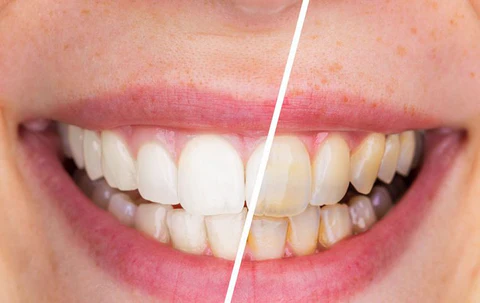
Every week, I have a patient sit in my chair, open their mouth, and sheepishly admit they bought a metal scraper tool online. They usually say, "I just wanted to clean that one spot that bugs me." I understand the impulse. You see a dark spot of tartar between your bottom front teeth, and you want it gone now. But as a dentist here at SmileNote who spends all day fixing teeth, I have to be honest about what I see when people try scaling teeth at home. It is rarely the clean, money-saving victory they hoped for. Instead, it’s often a story of sore gums, scratched teeth, and emergency visits.
The "Slip" Factor
Let’s talk about the physical reality of putting a sharp metal hook in your mouth.
You Cannot See What We See
When I clean your teeth, I have a massive overhead light, magnifying loupes (glasses), and a mirror that allows me to see backwards. Even with all that gear, it takes steady hands. When you try scaling teeth at home, you are working backwards in a bathroom mirror. You have zero fulcrum (finger support). Eventually, you will slip.
I have treated patients who slipped and drove the scaler deep into their gum, causing a painful abscess. I have seen others who slipped and chipped the edge of a front tooth. The force required to pop off tartar is surprisingly high—when that chunk finally breaks loose, the instrument goes flying. If your hand isn't anchored perfectly, it flies right into your gums or lips.
The Iceberg Effect
Patients often tell me, "I got the big piece off!" But they don't realize what they left behind.
Tartar is Deeper Than You Think
Imagine an iceberg. The white, chalky tartar you see above the gumline is just the tip. The dangerous tartar—the dark, hard stuff—grows down the root of the tooth. When you attempt scaling teeth at home, you usually snap the top off the iceberg. This leaves a jagged, sharp edge of tartar hidden right under your gum. This sharp ledge cuts into the gum tissue constantly, causing chronic inflammation. You might think your teeth look better, but your gums will turn red, bleed easily, and hurt because of the rough shard you left behind.
The Sensitivity Aftermath
Another common complaint I hear after a DIY session is, "Doc, my tooth can't handle cold water anymore."
Scraping Away the Protection
Your teeth taper in at the neck, right by the gumline. This area often has exposed dentin, which is much softer than the enamel on top. It is very easy to scrape away healthy tooth structure here. If you aggressively scratch this area while scaling teeth at home, you are essentially shaving off the insulation of the tooth. This leads to zingers—sharp pains when you drink ice water or breathe in cold air. Unlike a dirty window that you can scrub hard, a tooth is a living organ that reacts defensively when you scrape it too hard.
What You Should Do Instead
If that buildup is driving you crazy, you don't need a scaler; you need a better defense strategy.
- Electric Toothbrushes: These vibrate at speeds that disrupt plaque before it can harden into tartar.
- Tartar-Control Toothpaste: These contain pyrophosphates that stop calcium from sticking to your teeth.
- Water Flossers: These can blast away food debris that floss misses. If you use these tools daily, you won't need to worry about scaling teeth at home because the buildup won't form in the first place.
If you find yourself wondering, "Can teeth scaling be done at home?", I know it is tempting to play dentist, especially with tools available for five dollars online. But the cost of fixing a receded gumline or bonding a chipped tooth is far higher than a cleaning fee. Leave the sharp tools to us. Your gums will thank you.