Long-Term Prognosis and Bone Atrophy Risks of Removable Dentures
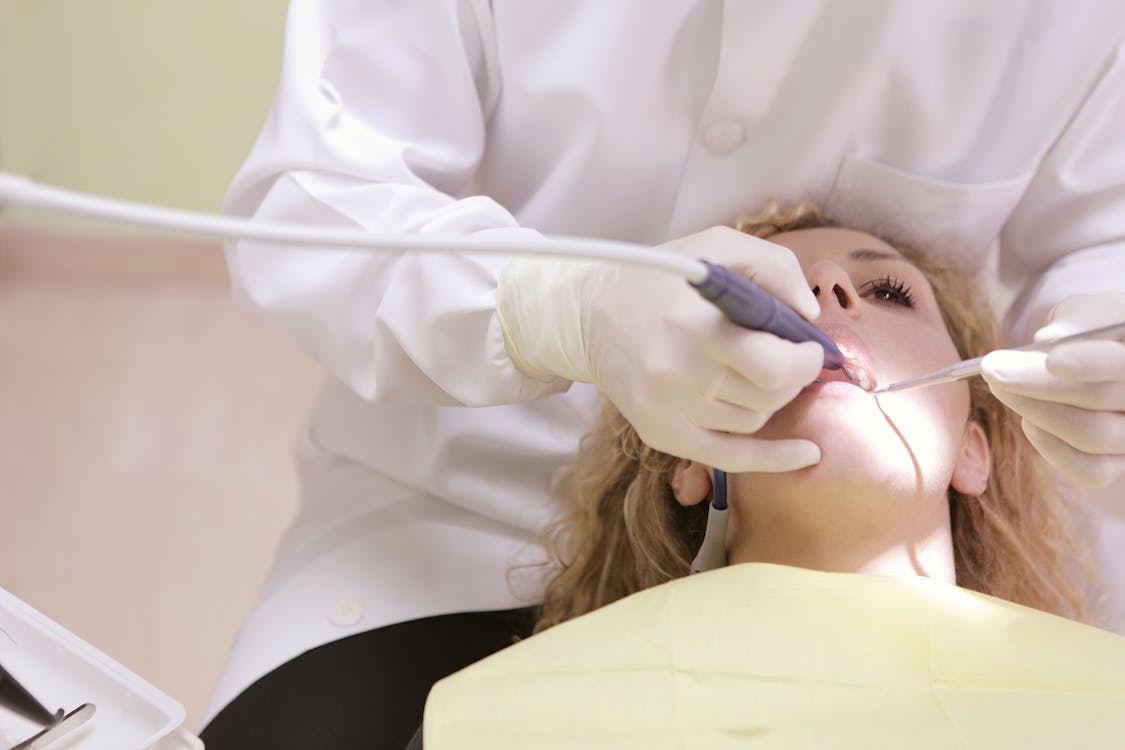
As a senior consultant managing complex rehabilitations for SmileNote, I view removable dentures not as a final solution, but as a management strategy for edentulism. While they provide immediate functional and aesthetic replacement, they are essentially a "floating" restoration. Unlike teeth or implants which stimulate the bone, dentures compress the bone. This fundamental biological reality dictates the long-term prognosis. Patients must understand that the jawbone is a "use it or lose it" structure, and removable dentures unfortunately accelerate the "lose it" phase. Evaluating the long-term risk profile is essential for informed consent and future treatment planning.
Long-Term Bone Atrophy from Removable Dentures
The most significant long-term consequence of wearing dentures is residual ridge resorption (RRR).
The Mandibular Risk
This process is chronic, irreversible, and cumulative. Studies indicate that the mandible (lower jaw) resorbs at a rate four times faster than the maxilla (upper jaw). Over 10 to 20 years of wearing removable dentures, the lower ridge can atrophy to the point of being a flat plane, or even concave (pencil-thin mandible). This leads to the "floating denture" syndrome, where no amount of adhesive can stabilize the prosthesis because the anatomical foundation has vanished.
This severe atrophy also exposes the mental nerve, causing pain whenever the patient bites down. This trajectory is predictable and unavoidable with conventional mucosally-supported prosthetics.
At this stage, some clinicians advocate for custom removable dentures as a way to improve adaptation and load distribution. While customization through digital impressions, pressure mapping, and precision border molding can significantly enhance comfort and short-term stability, it does not alter the underlying biology of bone resorption. Even the most precisely fabricated denture cannot prevent the gradual loss of alveolar bone because the prosthesis remains tissue-supported rather than bone-stimulating. Customization improves function — but it does not change the long-term skeletal prognosis.
Facial Changes and Vertical Dimension Loss
The loss of bone impacts more than just fit; it changes the facial structure.
The Collapsed Profile
As the bone recedes, the vertical dimension of occlusion (the height of the face) decreases. The chin rotates forward and upward toward the nose, creating a "witch's chin" appearance and deepening the nasolabial folds. This premature aging of the face is a direct result of the bone loss associated with removable dentures. Furthermore, as the ridge shrinks, the muscles of facial expression lose their support, leading to thinner lips and a sunken appearance. We can cosmetically plump the lip with a thicker denture flange, but we cannot restore the skeletal height once it is gone.

Prognosis of Implant-Assisted vs. Traditional Removable Dentures
To mitigate this poor prognosis, the standard of care has shifted toward implant-assisted prosthetics.
The Two-Implant Overdenture
Placing just two implants in the lower jaw to snap the removable dentures onto (an overdenture) dramatically changes the prognosis. The implants preserve the bone volume in the anterior mandible via internal stimulation. While the posterior bone may still resorb, the retention and stability are vastly superior.
From a risk stratification standpoint, a patient with a traditional lower denture has a poor functional prognosis over 10 years. A patient with an implant-retained overdenture has a good to excellent prognosis, maintaining bite force and bone levels significantly better.
The Lifespan of the Prosthesis
Patients often mistake the durability of the plastic for the lifespan of the therapy.
The 5-7 Year Replacement Cycle
Even if the bone loss is managed, the removable dentures themselves have a finite life. The acrylic teeth wear down, causing the bite to close and the jaw to over-close. The acrylic base becomes porous and colonized by biofilm. We generally recommend replacing removable dentures every 5 to 7 years. Relining (resurfacing the inside) is required every 2 to 3 years to adapt to the changing bone shape. Ignoring these maintenance intervals leads to "flabby ridge" formation—mobile, hyperplastic gum tissue that makes future denture fitting extremely difficult.
The long-term prognosis for traditional removable dentures is characterized by progressive bone loss and diminishing stability. While they serve a vital role, they are biologically destructive over decades. Intervention with dental implants to retain the prosthesis is the only predictable method to arrest bone atrophy and preserve the structural integrity of the jaws for the aging patient.