Evidence-Based Interpretation of Lumineers vs Porcelain Veneers in Contemporary Dentistry
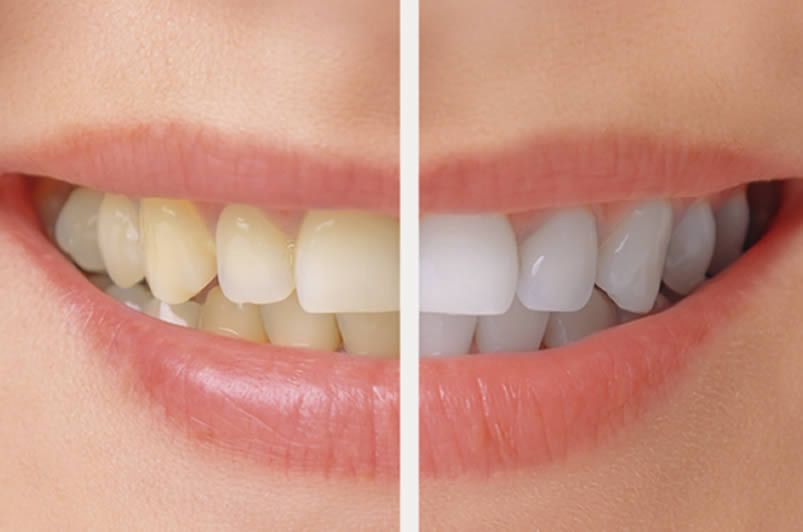
Published by SmileNote, this review synthesizes current literature to analyze lumineers vs porcelain veneers through a comparative research lens. The objective is not to recommend a specific treatment but to interpret available data regarding performance, limitations, and clinical applicability.
Comparative Survival Rates
Longitudinal Performance Data
Longitudinal studies on porcelain veneers demonstrate:
- High survival rates at 10–15 years
- Predictable performance under controlled conditions
Data on Lumineers is more limited but suggests:
- Acceptable short-term outcomes
- Greater variability in long-term retention
In the lumineers vs porcelain veneers comparison, the evidence base for traditional veneers remains more robust.
Variability in Study Design and Interpretation
One challenge in evaluating outcomes is heterogeneity. Studies differ in:
- Patient selection criteria
- Preparation techniques
- Follow-up duration
As a result, direct comparisons between Lumineers and veneers must be interpreted cautiously. The lumineers vs porcelain veneers debate is often influenced by differences in methodology rather than intrinsic material properties alone.
Material Science Insights from Laboratory Research
Flexural Strength and Fracture Resistance
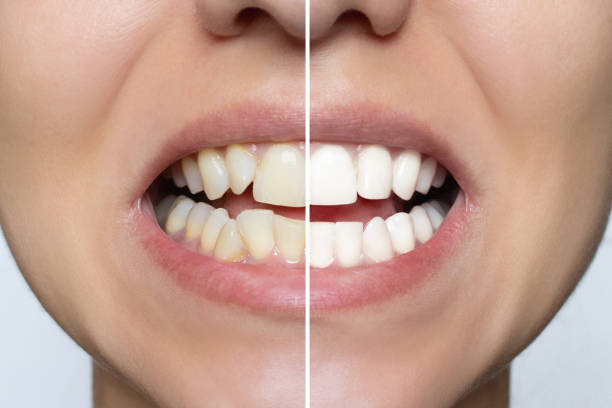
In vitro studies provide controlled insights into flexural strength, fracture resistance, and bond durability. Porcelain veneers consistently demonstrate:
- Higher resistance to mechanical stress
Lumineers, due to reduced thickness, show:
- Lower fracture thresholds
- Greater dependence on bonding conditions
These findings align with mechanical principles observed in clinical settings.
Patient-Reported Outcomes and Satisfaction Metrics
Clinical success is not solely defined by survival rates. Patient-centered studies evaluate:
- Aesthetic satisfaction
- Comfort
- Perceived value
Both Lumineers and porcelain veneers achieve high satisfaction scores in the short term. However, long-term satisfaction correlates more strongly with durability and maintenance requirements.
Risk Factors Identified Across Studies
Variables Influencing Outcomes
The literature identifies several variables influencing outcomes:
- Bruxism
- Poor oral hygiene
- Inadequate bonding protocols
- Pre-existing restorations
These factors impact both systems but may disproportionately affect thinner restorations. Thus, in the context of lumineers vs porcelain veneers, patient selection emerges as a critical determinant of success.
Clinical Guidelines and Institutional Perspectives
Guidance from organizations such as the American Dental Association (ADA), National Health Service (NHS), and Mayo Clinic emphasizes:
- Individualized treatment planning
- Evidence-based decision-making
- Risk assessment prior to cosmetic procedures
These principles apply equally to Lumineers and porcelain veneers.
Limitations of Current Evidence
Despite extensive research, limitations remain:
- Limited long-term data on ultra-thin systems
- Potential publication bias
- Variability in operator skill
Consequently, definitive conclusions about superiority cannot be established. The discussion remains context-dependent rather than universally resolved.
Synthesis of Findings
Across multiple studies, several patterns emerge:
- Porcelain veneers offer more predictable long-term outcomes
- Lumineers provide a conservative alternative with specific indications
- Success is highly dependent on case selection and execution
These conclusions reflect trends rather than absolute rules.
Conclusion: Interpreting the Evidence Responsibly
The current body of research suggests that the comparison should not be framed as a binary choice. Instead, both options occupy distinct roles within restorative dentistry. Clinicians must integrate scientific evidence, patient-specific variables, and clinical expertise to determine the most appropriate approach for each individual case regarding lumineers vs porcelain veneers.