Curcumin in Dentistry: A Systematic Review of Efficacy Regarding Turmeric Teeth Whitening
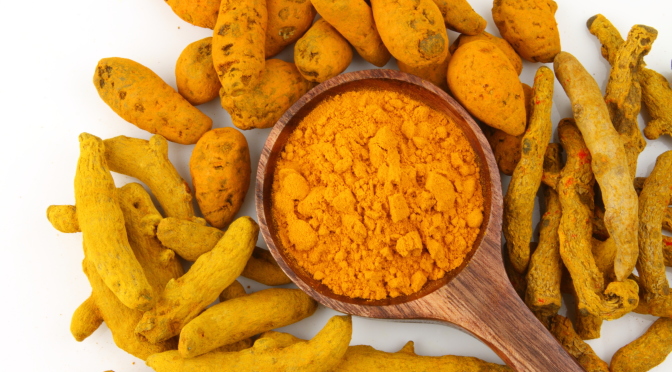
Welcome to SmileNote. The utilization of phytotherapeutics in dentistry has gained significant traction in recent literature. A systematic review of the current evidence is required to answer the query: is turmeric good or bad for your teeth? This article synthesizes data from peer-reviewed journals regarding the pharmacological applications of curcumin (diferuloylmethane) in the oral cavity, contrasting its proven anti-inflammatory efficacy against its anecdotal status as a whitening agent. We will examine randomized controlled trials (RCTs) and in vitro studies to determine the validity of turmeric teeth whitening claims.
Anti-Inflammatory and Antimicrobial Efficacy
The literature is robust regarding the periodontal benefits of curcumin.
Reduction of Plaque Index (PI) and Gingival Index (GI)
A meta-analysis published in the Journal of Periodontal Research indicates that curcumin mouthwashes are comparable to chlorhexidine in reducing plaque accumulation and gingival inflammation. The mechanism involves the downregulation of inflammatory mediators (COX-2, LOX). In this context, the answer to "is turmeric good or bad for your teeth?" is statistically positive regarding periodontal health. The data supports its use as an adjunct therapy for mechanical plaque control, particularly in patients seeking non-synthetic antimicrobials.

Whitening Efficacy: The Evidence Gap
Conversely, while consumer searches frequently query how to whiten teeth naturally with turmeric, the scientific literature regarding its true whitening efficacy is sparse and largely contradictory to these cosmetic claims.
Chromogenic Potential vs. Whitening
There are no major randomized clinical trials that validate turmeric as a chemical whitening agent. In vitro studies assessing color change (ΔE) on enamel samples subjected to turmeric indicate that it functions primarily as a mild abrasive. Furthermore, studies on restorative materials (composite and glass ionomer) consistently identify turmeric solutions as significant staining agents, with ΔE values exceeding the threshold of clinical perceptibility. The academic consensus is that any perceived whitening is due to the removal of extrinsic biofilm (plaque) rather than an alteration of the intrinsic tooth shade.
Safety Profiles and Cytotoxicity
Research into the safety of topical curcumin is favorable.
Biocompatibility
Studies on human gingival fibroblasts show that curcumin exhibits low cytotoxicity compared to synthetic bleaching agents like high-concentration hydrogen peroxide. This suggests that while it may not be an effective whitener, it is biologically safe for the soft tissues. However, the abrasive wear potential of raw powder remains a variable that is not standardized in the literature, leading to cautionary conclusions in review articles regarding daily use.
The synthesis of current research supports turmeric as a valuable periodontal aid but debunks it as a true whitening agent. The evidence indicates that while it is "good" for reducing gingivitis, its "whitening" capability is limited to abrasive stain removal and carries the risk of staining restorative materials. Evidence-based practice does not support Is turmeric good or bad for your teeth as a replacement for standard bleaching protocols.