Evidence Regarding How Old Do You Have to Be to Get Braces
.jpg)
Welcome to SmileNote. The optimal timing for orthodontic intervention has been the subject of rigorous randomized controlled trials (RCTs) and systematic reviews over the past three decades. The clinical question regarding how old do you have to be to get braces—specifically the dichotomy between early (Phase I) and late (Phase II) treatment—has generated significant data regarding efficacy, cost-effectiveness, and patient-reported outcomes. This article synthesizes findings from major orthodontic journals to provide an evidence-based perspective on treatment initiation.
Randomized Controlled Trials on Class II Malocclusion
The most cited research in this domain comes from the University of North Carolina, the University of Florida, and the University of Manchester.
Early vs. Late Treatment Outcomes
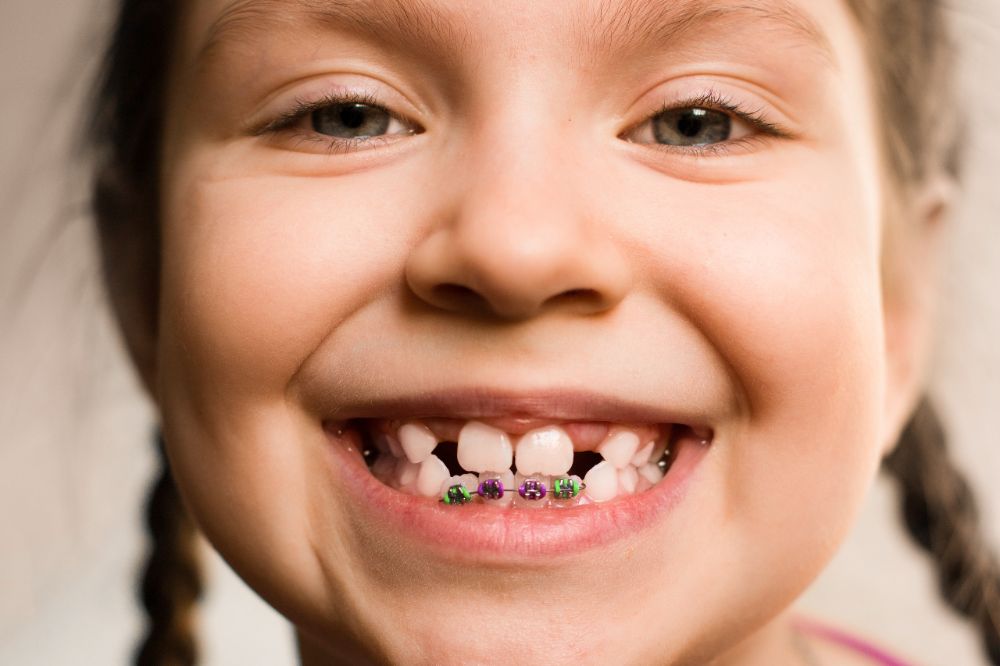
These multicenter RCTs divided children with Class II malocclusions (prominent upper teeth) into two groups: one receiving early headgear/functional appliances (age 8-10) and one receiving treatment only in adolescence (age 12-14). The data consistently showed that at the end of treatment, there was no significant difference in the final skeletal or dental result between the two groups. Early treatment did not reduce the need for extractions or surgery later. The literature suggests that for routine Class II problems, the answer to how old do you have to be to get braces supports a one-phase approach in adolescence. Early treatment prolonged the total time in care without improving the final biological metric.
Psychosocial Impact Studies
While the physical outcome may be identical, the psychosocial data presents a nuanced variable.
The Teasing Factor
A subset of the Class II studies focused on self-esteem and social interactions. Data indicated that children with severe overjet (protruding teeth) experienced a significant reduction in teasing and an improvement in self-concept following early intervention. While the dental outcome doesn't change, the quality of life during the middle school years improved for the early treatment group. Therefore, the literature supports modifying the answer to how old do you have to be to get braces based on the patient's psychosocial burden. If bullying is a factor, early intervention is evidence-supported for emotional, rather than dental, reasons.
Efficacy of Class III Protraction
Systematic reviews on Class III (underbite) treatment offer a stark contrast to Class II data.
The Window of Opportunity
Meta-analyses regarding maxillary protraction (facemask therapy) indicate a strong negative correlation between age and skeletal effect. Studies show that treatment initiated before age 10 results in significantly greater maxillary advancement compared to treatment initiated after age 10, which results primarily in dental tipping. The academic consensus firmly establishes that for Class III skeletal patterns, how old do you have to be to get braces (or orthopedic appliances) is strictly < 10 years old. Delaying beyond this threshold significantly degrades the prognosis.
Root Resorption and Duration of Treatment
A critical safety metric in orthodontic research is Apical Root Resorption (ARR).
The Correlation with Treatment Time
Systematic reviews identifying risk factors for ARR consistently cite "duration of treatment" as a primary variable. The longer fixed appliances are active, the higher the risk of root shortening. Comparative studies show that two-phase treatment significantly increases the total duration of appliance wear compared to single-phase treatment. Consequently, evidence-based guidelines advocate for delaying treatment until the permanent dentition is established (late mixed dentition) to minimize the timeframe of force application, thereby preserving root integrity.
The synthesis of current peer-reviewed literature indicates that for the majority of malocclusions, a single phase of treatment in the early permanent dentition (age 11-13) is the gold standard for efficiency and biological safety. Exceptions are evidence-supported for Class III correction (age < 10) and cases with significant psychosocial distress. The data urges clinicians to answer what age do you have to be to get braces based on specific malocclusion types rather than a universal age threshold.