Gold vs Ceramic Crowns: An Economic Comparison of How Much Does a Gold Dental Crown Cost
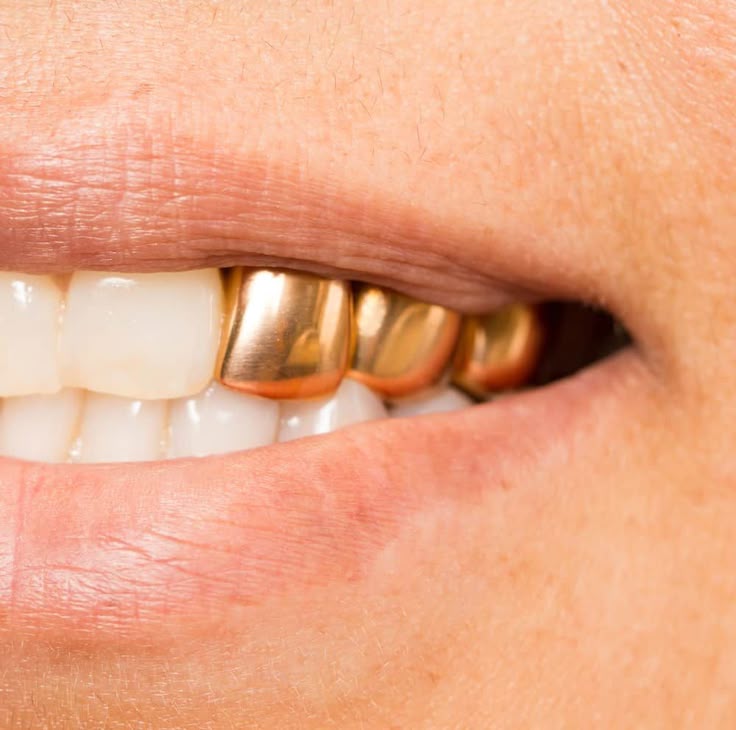
Welcome to SmileNote. The economic evaluation of dental restorative materials requires a synthesis of longitudinal clinical studies and health economic analyses. The academic literature offers a robust comparison between full-cast gold alloys and contemporary ceramic systems (lithium disilicate, zirconia). To answer the query how much does a gold dental crown cost with scholarly rigor, we must interpret the data regarding survival kinetics, failure modes, and cost-utility ratios. This review aggregates findings to provide an evidence-based perspective on the economic efficiency of gold restorations.
Literature Review on Cost-Effectiveness
A survey of systematic reviews reveals distinct survival profiles.
Kaplan-Meier Survival Analysis
Landmark studies (e.g., Donovan et al., Behr et al.) consistently report survival rates for cast gold restorations exceeding 95% at 10 years and often retaining viability beyond 20-30 years. In contrast, layered ceramic restorations show higher complication rates, primarily chipping and fracture, with survival rates hovering between 90-94% at 10 years. From a health economics perspective, determining what is a gold dental crown worth relies on the "Cost-Effectiveness Ratio" (CER), which defines the cost per year of successful function.
- Gold: Higher initial cost / Longer lifespan = Low annual cost.
- Ceramic: Lower initial cost / Higher maintenance frequency = Moderate to High annual cost.
The literature supports the hypothesis that gold provides superior economic utility in the posterior segment.
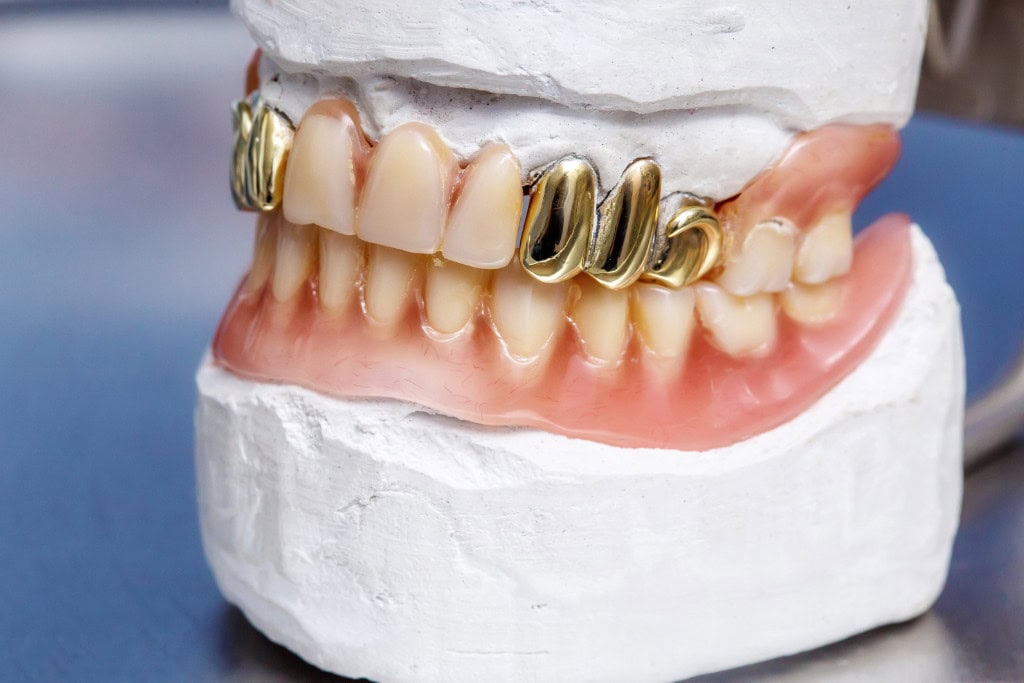
Global Pricing Variabilities and Material Trends
Academic analysis of market trends indicates a shift in material usage driven by cost.
The Rise of Zirconia
The volatility of the precious metal market has driven a paradigm shift toward monolithic zirconia. Zirconia acts as a "white metal," offering high strength at a fixed, lower cost unaffected by bullion markets. Research indicates that while the raw material price influencing how much does a gold dental crown cost has risen steadily with the price of gold (Au), the cost of zirconia has stabilized or decreased due to CAD/CAM efficiencies. This price divergence has relegated gold to a "premium" niche in many dental schools and private practices, despite its superior clinical track record.
Failure Mode Analysis and Economic Consequence
The literature distinguishes between "catastrophic" and "relative" failures.
Reparability Indices
Studies indicate that when ceramics fail, they tend to fail catastrophically (bulk fracture), necessitating total replacement. Gold failures are often due to eventual wear-through (perforation) after decades of use, which is a gradual process. Furthermore, the recurrent caries rate (decay under the crown) is historically lower for gold due to the superior marginal adaptation (cement line < 25µm) compared to early generation CAD/CAM ceramics (cement line 50-100µm). The economic consequence of recurrent caries—often leading to extraction—weighs heavily in the cost-benefit analysis favoring gold.
The synthesis of peer-reviewed data concludes that while the acquisition cost of gold is high and variable, its cost-utility is unmatched for long-term posterior restoration. The longevity, reparability, and biocompatibility of high noble alloys provide a compelling economic argument against the lower-cost, but higher-maintenance, ceramic alternatives. For a definitive breakdown of how much does a gold dental crown cost in today's market, consult your prosthodontist.