Standard vs. Immediate Loading: A Literature Review on How Long After Dental Implants Can I Eat Normally
.jpg)
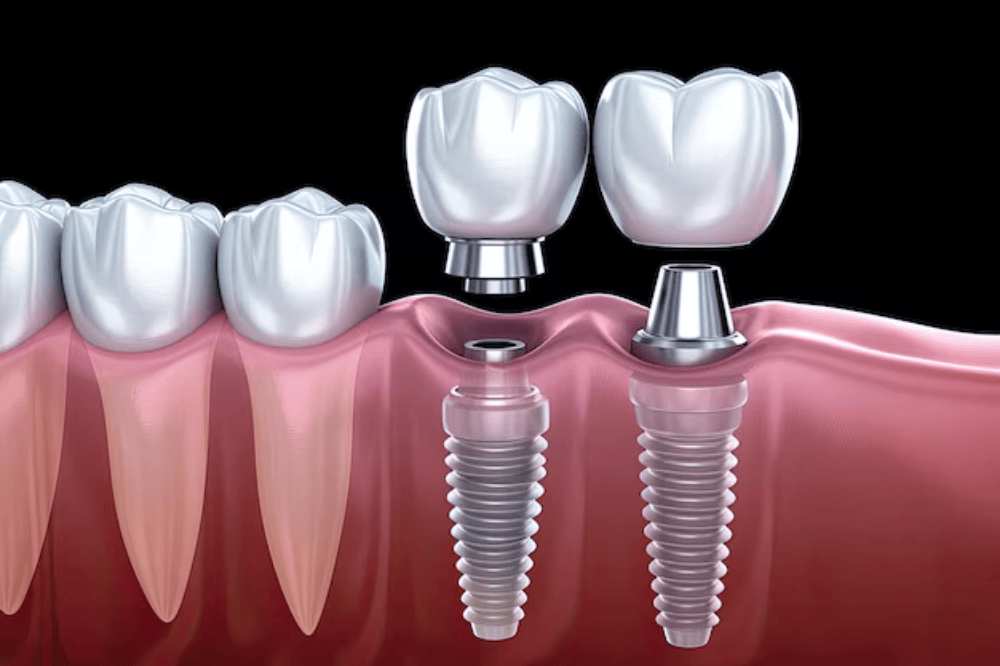
The dental literature is replete with comparative studies analyzing the timing of functional loading protocols. The clinical question how long after dental implants can I eat normally has shifted over the last two decades from a rigid empirical dogma to an evidence-based continuum. Historically, the Brånemark protocol dictated a 3-to-6-month load-free healing period. However, systematic reviews and meta-analyses published in journals such as Clinical Oral Implants Research have evaluated the efficacy of accelerated protocols. This review by SmileNote synthesizes current consensus statements regarding dietary restrictions and loading times.
The Cochrane Collaboration and Loading Definitions
Research distinguishes between three specific loading categories.
Defining the Timeline
- Immediate Loading: Prosthesis attached within 1 week.
- Early Loading: Prosthesis attached between 1 week and 2 months.
- Conventional Loading: Prosthesis attached after 2 months.
A meta-analysis of randomized controlled trials (RCTs) suggests that while immediate loading is viable, it carries a statistically higher risk of failure (approx. 2-5% variance) if strict dietary guidelines are not followed. The literature confirms that regardless of the loading category, the answer to how long after dental implants can I eat normally (defined as unrestricted mastication) remains consistent: full osseointegration must be verified, typically occurring no sooner than 12 weeks post-op.
Micro-strain Thresholds in Clinical Studies
Quantifiable data regarding force application offers insight into failure thresholds.
The 150-Micron Limit
Pivotal studies by Szmukler-Moncler et al. established that micromotion above 150 microns inhibits bone formation. Dietary studies correlate food texture with occlusal force output. Chewing "hard" foods generates forces exceeding 100N, which can induce micromotion in non-integrated implants well above the 150-micron threshold. The literature supports the consensus that a "soft diet" limits forces to below 20N, maintaining micromotion within the "safe zone" of 0-50 microns. This data provides the scientific basis for the restriction timelines given to patients asking how long after dental implants can I eat normally.
Patient-Reported Outcomes vs. Clinical Reality
Interestingly, studies measuring patient compliance show a disconnect.
The Compliance Gap
Research using questionnaires indicates that many patients self-report returning to normal eating significantly earlier than recommended (often by week 4-5). While many of these cases survive, longitudinal data suggests a correlation between early dietary non-compliance and increased marginal bone loss in the first year. This suggests that while the implant may survive early cheating, the biological seal is compromised. The evidence strongly advises adhering to the conservative answers regarding loading times to maximize crestal bone preservation.
The synthesis of current peer-reviewed literature indicates that while surgical protocols have accelerated, biological healing rates remain constant. The consensus supports a graduated return to function. While immediate restoration is possible, the answer to how long after dental implants can you eat normally typically points to the 3-to-4-month mark for most standard cases. The data favors caution to ensure optimal osseointegration parameters are met.