Should You Get an Exposed Tooth Root Filling When Gum Recession Appears?
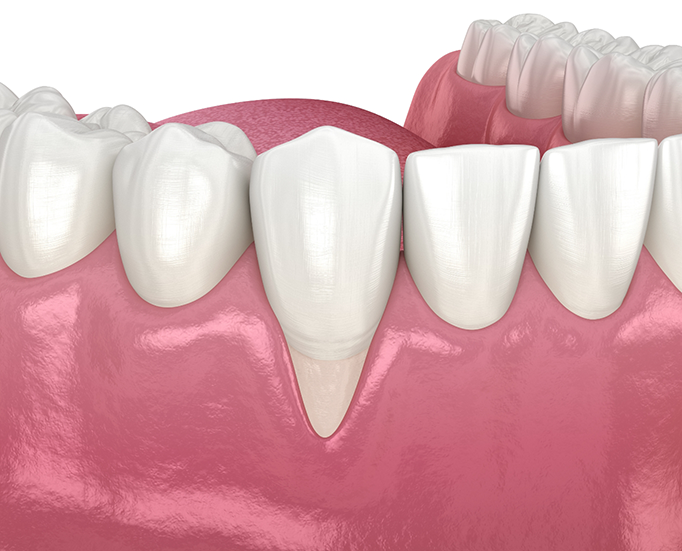
If you have ever run your tongue across a tooth and noticed a rough edge near the gumline, you may have wondered whether something is wrong. Sometimes that sensation comes from a root surface that has become visible after the gums recede.
Patients often ask dentists a straightforward question: do I need an exposed tooth root filling?
Readers on SmileNote frequently bring up this concern because gum recession is surprisingly common. Teeth can remain healthy for many years even when small areas of root surface become visible. The key is understanding when the exposed area causes problems and when it simply requires monitoring.
Why Gum Recession Reveals the Tooth Root
Anatomy and Sensitivity
Gum tissue can move slightly downward over time due to brushing pressure, aging, or periodontal inflammation. When this happens, the root portion of the tooth becomes visible. Unlike enamel, the root surface is made of dentin covered by a thin layer of cementum.
This difference explains why exposed roots sometimes feel sensitive to cold drinks or sweet foods. Because of this sensitivity, some patients assume that exposed tooth root filling is always necessary, but that is not always the case.
Situations Where Dentists May Recommend Treatment
In everyday dental practice, dentists consider restorative treatment when exposed roots begin to show signs of wear or decay. Examples include:
- Small cavities forming on the root surface
- Wedge-shaped defects near the gumline (abfraction)
- Persistent sensitivity that interferes with eating
In these cases, an exposed tooth root filling can protect the tooth surface and reduce discomfort. However, if the root surface is healthy and symptoms are minimal, dentists often prefer observation and preventive care.
.webp)
What the Procedure Typically Involves
The Restoration Process
When dentists place an exposed tooth root filling, the goal is to seal the vulnerable root surface. The process is usually quick:
- The dentist cleans the exposed area.
- A bonding material is applied.
- A tooth-colored filling material (composite resin or glass ionomer) is placed and shaped.
Patients are often surprised by how small these restorations are compared with traditional fillings.
How Oral Hygiene Influences Root Surface Health
Root exposure does not always lead to cavities or damage. Many individuals maintain healthy exposed root surfaces through consistent brushing, flossing, and regular dental visits.
Public health organizations such as the Mayo Clinic highlight the importance of plaque control in preventing root decay. Therefore, dentists frequently emphasize preventive habits before recommending restorative procedures.
Conclusion
The presence of gum recession does not automatically mean that you need restorative treatment. A filling becomes relevant only when structural damage, decay, or significant sensitivity appears.
Regular dental checkups remain the most reliable way to determine whether treatment is necessary. If you are experiencing discomfort or notice structural changes near your gumline, consult your dentist to see if an exposed tooth root filling is the right solution for you.