Post-Cleaning Care: Does Scaling Whiten Teeth and How to Keep Them That Way
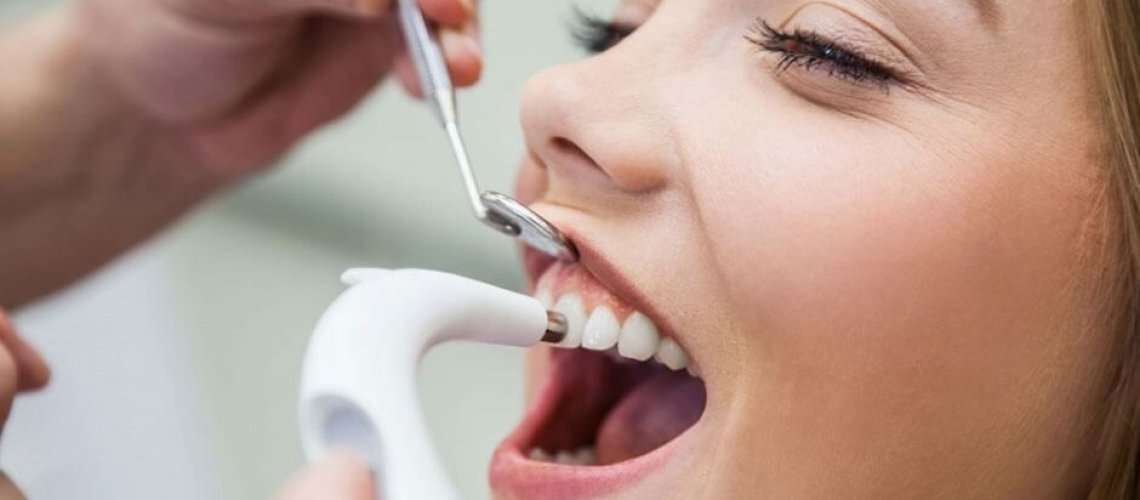
You’ve just finished your dental cleaning. Your tongue feels those little ridges on the back of your teeth, and your smile feels fresh. You might be looking in the rearview mirror wondering, "Does scaling whiten teeth, or is it just the lighting?" The truth is, your teeth likely are brighter because the dark buildup is gone. But now the real work begins. That fresh, "white" feeling can fade quickly if you fall back into old habits. As a dental educator at SmileNote, I want to guide you through the days following your scaling to help you maintain that brightness and understand how daily choices impact the color of your smile.
The "Blank Slate" Vulnerability
Immediately after scaling and polishing, your teeth are squeaky clean.
The Pellicle Layer
During the cleaning, we removed the protein layer (pellicle) that naturally coats your teeth. While this answers does scaling teeth whiten them by removing surface debris, it also leaves the enamel temporarily vulnerable. For the first 24 to 48 hours, your teeth are thirsty. They are more prone to absorbing pigments from food and drink. If you immediately drink a dark cola or eat blueberries right after leaving the office, that fresh surface will grab onto the color.
The White Diet
To keep the answer to does scaling whiten teeth a positive one, stick to a "white diet" (chicken, rice, yogurt, water) for the first day. This lets the protective pellicle reform naturally without trapping stains.
Daily Behaviors That Reverse the Results
The longevity of your "scaling whitening" depends entirely on your habits.
Stain Re-Accumulation
The reason scaling made your teeth look white is that it removed tartar. Tartar is rough, like concrete. It grabs stain 10 times faster than smooth enamel. If you don't brush and floss effectively, plaque will harden back into tartar within a few weeks. Once that tartar returns, the yellow/brown color returns with it. Patients often ask does scaling whiten teeth permanently? The answer is no. It is a maintenance procedure. If you skip flossing, the dark triangles between your teeth will return. If you sip coffee all day, the brown film will coat your enamel again. Your home care is the preservative for the professional result.

Tools to Maintain the Brightness
You can’t perform scaling at home (please don't try!), but you can extend the visual benefits.
Electric Toothbrushes
Using an electric toothbrush is the closest thing to a daily mini-polish. The vibration helps prevent the stain from settling into the microscopic ridges of the enamel. While an electric brush doesn't answer does scaling whiten teeth in the deep sense, it prevents the extrinsic stain from building up as quickly between visits. Combining this with a whitening toothpaste after your professional cleaning can help scrub away daily surface stains, keeping that "just cleaned" look for months rather than weeks.
What Scaling Cannot Fix
It is important to support your expectations with reality.
Recognizing Internal Color
If you are doing everything right—brushing, flossing, avoiding wine—and you still feel your teeth are yellow a month later, you have hit the limit of scaling. You have answered the question does scaling whiten teeth for your specific biology: it revealed your natural color, and your natural color is yellow. At this stage, no amount of scrubbing or hygiene will help. This is the point where you should talk to your dentist about chemical whitening trays if you desire a lighter shade. Scaling cleared the path; now you know your baseline.
Does scaling whiten teeth? Yes, by stripping away the veil of grime and tartar. But keeping them white is a partnership. The dentist clears the slate, but you have to keep it clean. By watching your diet in the first 24 hours and mastering your plaque control, you can make that post-scaling brightness last all the way to your next appointment.