Material Selection and Technique: Does Getting a Crown Hurt Based on What We Use?
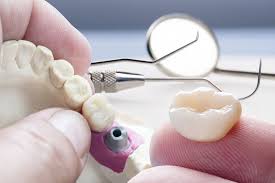
Introduction to Material Science
As a specialist in restorative dentistry at SmileNote, I approach the question "does getting a crown hurt" from an engineering and chemical perspective. Patients often assume pain is solely related to the drilling, but the materials we choose—the type of crown, the temporary material, and the cement—play a massive role in post-operative sensitivity. The thermal conductivity of the material and the chemistry of the bonding agents can either soothe the tooth or irritate it. Understanding these variables helps us select protocols that minimize trauma to the pulp.
Thermal Conductivity: Metal vs. Ceramic
The physics of the crown material itself influences sensitivity.
Heat Transfer Dynamics
When we ask "does getting a crown hurt" in relation to temperature, we must look at thermal conductivity. Gold and metal alloys are high conductors. If a metal crown is placed on a vital tooth without a proper base, it can transmit cold and heat rapidly to the nerve, causing sharp shocks.
Zirconia and Lithium Disilicate (ceramics) are insulators. They block thermal transfer much better, mimicking natural enamel. However, the temporary crown material (acrylic) is a poor insulator. This is why the temporary phase is often the most sensitive period. The thin plastic allows cold to penetrate easily, leading to the common complaint of cold sensitivity while waiting for the final lab work.
Exothermic Reactions of Temporaries
The fabrication of the temporary crown happens chairside, directly on your tooth.
Chemical Heat Generation
We use a liquid plastic resin to make the temporary. As this material hardens (polymerizes), it undergoes an exothermic reaction—it generates heat. If the dentist leaves the shrinking plastic on the tooth for too long during fabrication, the temperature spike can cook the pulp. This is a technical error that leads to the patient asking "does getting a crown hurt?" days later due to throbbing pain. To prevent this, we remove the temporary while it is rubbery and cool the tooth with water, managing the thermal energy to protect the biological tissue.
.jpg)
Cementation Protocols: Bonding vs. Luting
The final step is cementing the crown. The chemistry here is critical.
Acidity and Dentin Sealing
Traditional cements (like Zinc Phosphate) are highly acidic. When placed on a cut tooth, the acid can shoot down the tubules and shock the nerve. This used to be the main reason patients would ask "does getting a crown hurt?" after the final appointment.
Modern protocols use resin cements and bonding agents. We now use "glutaraldehyde" desensitizers on the tooth before cementing. This chemical coagulates the proteins in the tubules, essentially corking them shut before the acid cement touches the tooth. This technique has drastically reduced post-cementation sensitivity.
Zirconia and Friction
A unique challenge with modern Zirconia crowns is the fit.
The Tight Squeeze
Zirconia is milled by computers to incredibly tight tolerances. Sometimes, the crown fits so tightly that hydraulic pressure builds up inside the crown during cementation, pushing fluid back into the dentin tubules. This can cause intense, short-term pain upon seating. When analyzing "is getting a dental crown painful" with Zirconia, we often find that this hydraulic pressure causes a specific ache that lasts for a few hours until the pressure equalizes.
The answer involves materials science. By choosing insulating ceramics, managing the heat of temporary fabrication, and using modern desensitizing bonding protocols, we can engineer the pain out of the procedure. It is not just about the drill; it is about the chemistry that follows. Ultimately, understanding the science helps answer does getting a crown hurt with confidence, knowing that modern protocols prioritize your comfort.