Material Science and Surface Topography in the Dental Implant Procedure
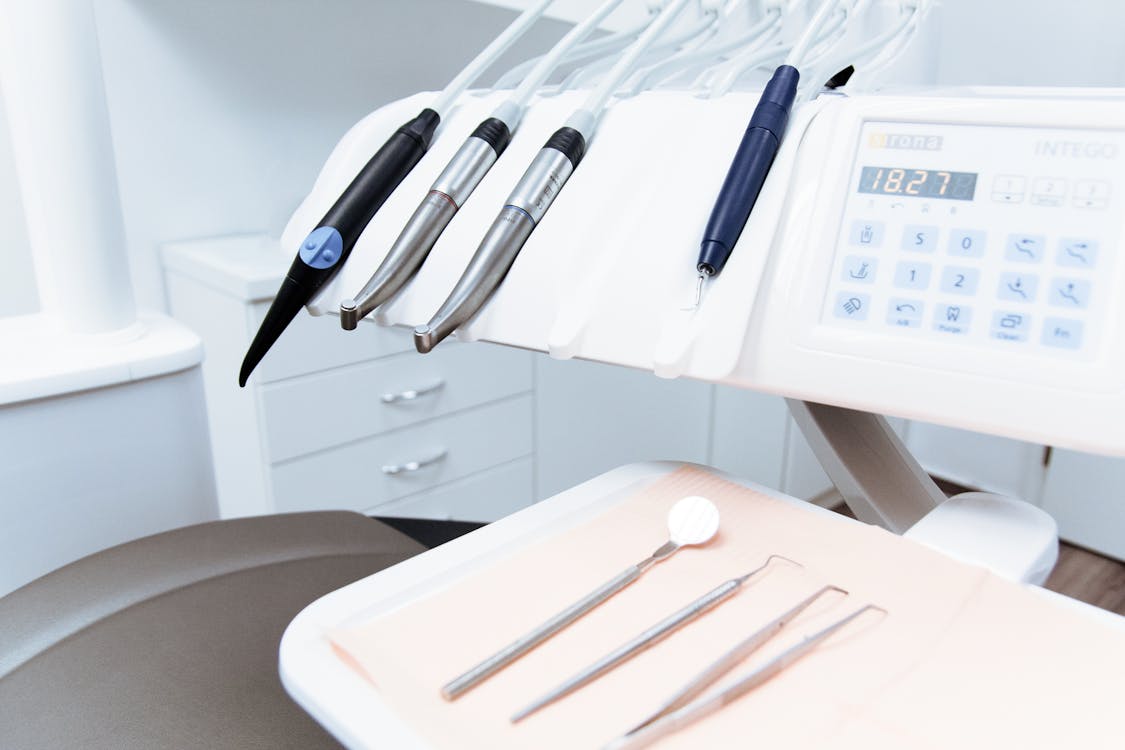
From an engineering standpoint, the dental implant procedure is a materials science challenge. We are attempting to fuse a synthetic material with living biological tissue in a wet, bacteria-rich environment under heavy mechanical load. As a specialist in restorative materials contributing to SmileNote, I evaluate implants not just as screws, but as sophisticated biomedical devices. The success of the procedure depends heavily on the alloy composition, the macroscopic design, and the microscopic surface treatment of the fixture. Understanding these variables helps explain why certain implants integrate faster and last longer than others.
Titanium Alloys vs. Zirconia
The gold standard material for the dental implant procedure has historically been commercially pure titanium (CP Ti) or Titanium-6Aluminum-4Vanadium (Ti-6Al-4V) alloy.
Biocompatibility and Strength
Titanium is unique because it forms a stable oxide layer ($TiO_2$) instantly upon exposure to air. This oxide layer is what the bone actually bonds to, preventing corrosion and immune rejection. However, the demand for metal-free dentistry has introduced Zirconia (Zirconium Dioxide) implants. Zirconia is a ceramic that is white in color, offering an aesthetic advantage for patients with thin gums where grey titanium might show through.
While Zirconia is highly biocompatible, it is brittle compared to titanium. The dental implant procedure with Zirconia requires extreme precision, as the material cannot withstand the same torque forces or off-axis loading as titanium without risk of fracture.
Surface Topography and Osseointegration
The speed of healing after a dental implant procedure is dictated by the roughness of the implant surface.
Hydrophilicity and Cell Adhesion: Early implants were smooth (machined). Today, we know that osteoblasts (bone cells) prefer a rough surface. Manufacturers use sandblasting, acid-etching, or anodization to create micro-pits on the implant surface. This increases the surface area for bone attachment. Advanced "active" surfaces are chemically treated to be hydrophilic (water-loving). When these implants contact blood during the dental implant procedure, they wick blood up the threads, accelerating the initial clot formation. This material technology allows for "immediate loading" protocols, where we can place a tooth on the implant much sooner than in the past.
The Implant-Abutment Connection
The mechanical stability of the restoration relies on the connection between the implant (in the bone) and the abutment (the post that holds the crown).
Conical vs. Flat Connections
The internal design of the implant influences the long-term health of the bone. Older external hex designs (flat connections) often allowed for "micro-pumping," where bacteria were pumped in and out of the gap during chewing, causing bone loss at the rim.
Modern dental implant procedure protocols favor a "conical connection" (Morse taper). This friction-grip design creates a cold weld seal that is virtually hermetic, preventing bacterial leakage and preserving the crestal bone levels. This engineering nuance is critical for the longevity of the implant.
Bone Grafting Materials
Often, the dental implant procedure requires simultaneous bone grafting to ensure there is enough volume to house the fixture.
Allografts vs. Xenografts: The choice of graft material affects the timeline. Allografts (human donor bone) turn over relatively quickly, converting to host bone in 4-6 months. Xenografts (bovine/cow bone) turn over very slowly, acting as a long-term scaffold. The selection depends on the defect; for aesthetic sites, a slow-resorbing xenograft maintains volume better. Understanding the resorption rates of these materials is crucial for the surgeon to predict the stability of the implant over time.
Conclusion
Ultimately, the dental implant procedure is powered by the physics of the materials we use. From the hydrophilic surface of the titanium to the hermetic seal of the conical connection, every engineering decision is designed to trick the body into accepting the artificial root as its own. By selecting the right materials, we maximize the biological response and ensure a restoration that can withstand the forces of the human bite.