Clinical Evaluation of Damaged Dentition: Can You Get Veneers with Bad Teeth?
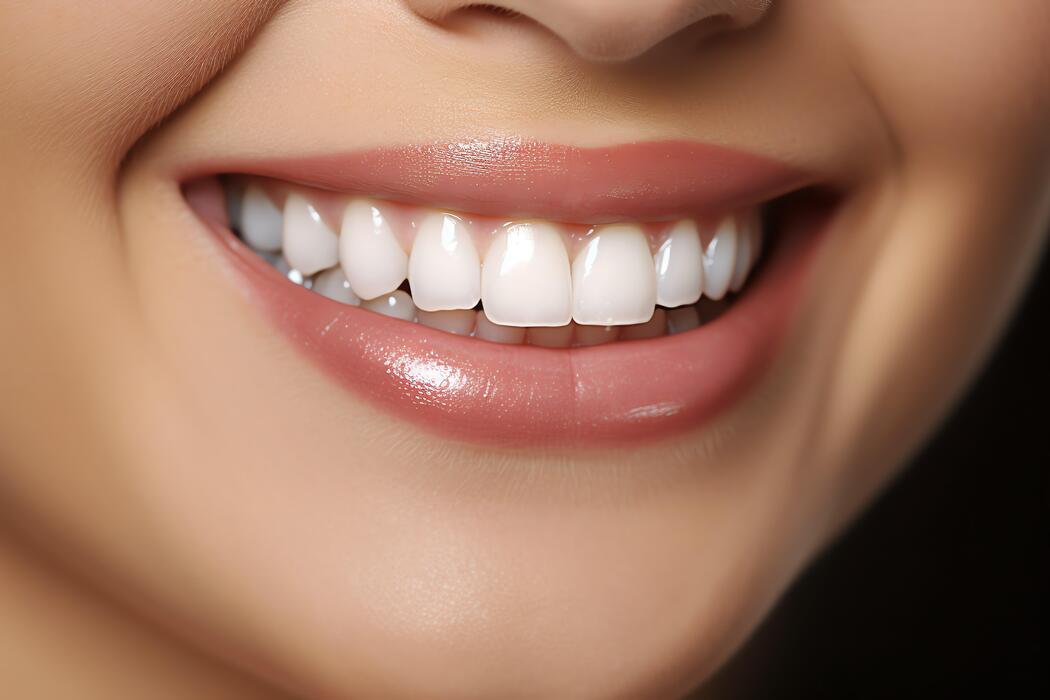
In restorative dentistry, aesthetic procedures are often requested by patients seeking cosmetic improvement. One of the most common questions clinicians encounter is can you get veneers with bad teeth. While veneers are widely known for improving the appearance of smiles, their suitability depends on the structural condition of the underlying teeth and gums.
At SmileNote, discussions about cosmetic dentistry frequently begin with the distinction between appearance-based treatments and health-based treatments. Veneers are cosmetic restorations, yet they still depend on biological and mechanical stability. Therefore, evaluating can you get veneers with bad teeth requires a structured clinical assessment rather than a simple yes-or-no answer. Understanding the biological principles behind veneers helps patients recognize why dentists sometimes recommend additional treatment before cosmetic restoration can begin.
Diagnostic Criteria That Determine Suitability
Dentists rely on a series of diagnostic observations when evaluating damaged or unhealthy teeth.
Structural, Biological, and Mechanical Factors
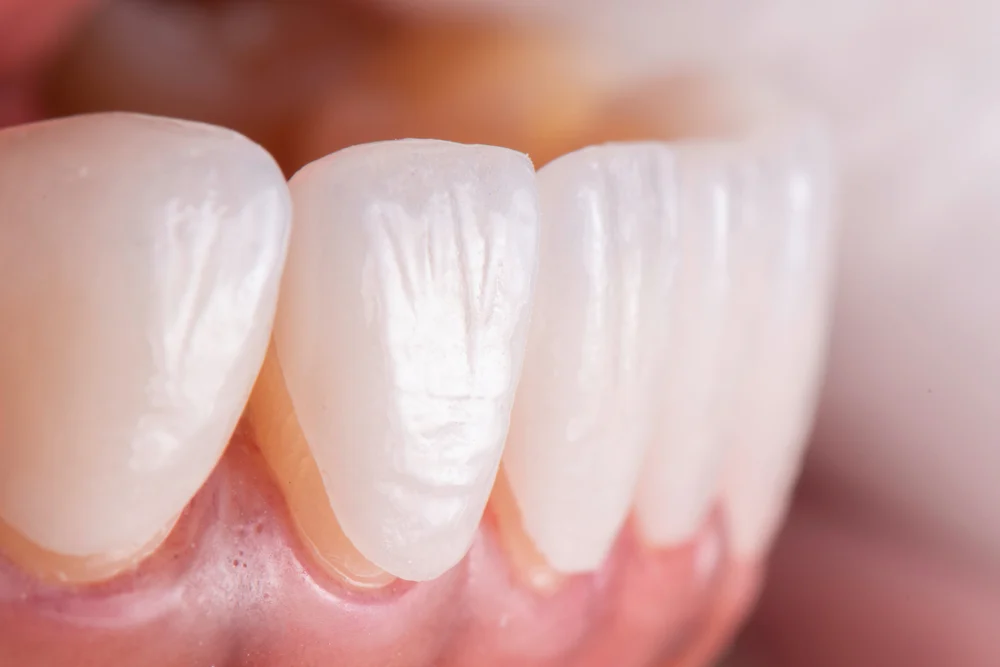
The first factor is structural integrity. Veneers are thin shells bonded to the front of teeth. They rely heavily on enamel for strong adhesion. If extensive decay or enamel loss has occurred, the bonding process may become unreliable.
The second factor involves gum health. Gingivitis or periodontal disease can compromise the long-term success of cosmetic restorations. Inflamed or receding gums may expose veneer margins and create aesthetic inconsistencies.
A third consideration is occlusal stability. Bite patterns influence how much pressure veneers experience. Excessive grinding or misaligned teeth may increase fracture risk.
Therefore, answering can you get veneers with bad teeth begins with evaluating structural, biological, and mechanical conditions simultaneously.
Differentiating Cosmetic Imperfections from Pathological Damage
Patients sometimes describe their teeth as “bad” when the issue is primarily cosmetic. For example, discoloration caused by enamel staining does not necessarily indicate structural damage. Veneers can often address such aesthetic concerns effectively.
In contrast, teeth affected by untreated cavities, fractures, or severe enamel erosion require medical treatment before cosmetic procedures can be considered. Dentists therefore distinguish between cosmetic dissatisfaction and clinical disease. Only the latter prevents veneer placement. This diagnostic distinction explains why some individuals with visually imperfect teeth may still qualify for veneers.
Structural Limitations That May Prevent Veneer Placement
Certain dental conditions can significantly limit the viability of veneers.
When Veneers Are Contraindicated
Advanced tooth decay reduces the amount of healthy enamel required for bonding. If the underlying tooth is structurally compromised, a crown or other restoration may provide greater durability.
Similarly, extensive fractures may extend beyond the enamel layer into dentin or pulp tissue. In these cases, veneers may not provide sufficient protection.
Another limitation involves severe malocclusion. When teeth are heavily misaligned, orthodontic treatment may be recommended prior to cosmetic restoration.
These structural constraints highlight why evaluating bad teeth cannot be answered without a comprehensive examination.
Biological Factors That Influence Veneer Success
Beyond structural concerns, biological health also affects treatment outcomes. Periodontal health plays a critical role. Chronic gum inflammation can alter the shape of the gumline, affecting how veneers appear once placed.
Salivary composition may also influence restoration longevity. Saliva helps protect enamel and maintain oral microbial balance. Research published in journals referenced by organizations such as the American Dental Association (ADA) suggests that stable oral health significantly improves restoration survival rates. Thus, veneers are not merely cosmetic devices; they function within a complex biological environment.
Preliminary Treatments That May Precede Veneers
In many cases, dentists perform preliminary treatments before placing veneers. These treatments may include:
- Professional cleaning to address plaque accumulation
- Cavity restoration to repair decayed areas
- Orthodontic alignment to improve bite distribution
- Gum therapy to stabilize periodontal health
Once these conditions are corrected, cosmetic treatment can proceed more predictably. This staged approach allows clinicians to provide cosmetic solutions with greater flexibility.
Long-Term Considerations in Cosmetic Dentistry
Patients often focus primarily on immediate visual improvement. However, long-term outcomes remain a central consideration. Veneers typically last between 10 and 15 years depending on oral hygiene, bite patterns, and material choice. Porcelain veneers demonstrate higher durability than composite alternatives, though both require maintenance.
Regular dental visits help detect early signs of wear or marginal leakage. From a clinical standpoint, cosmetic procedures should support both appearance and long-term oral health stability.
Conclusion
The question reflects a common misunderstanding about cosmetic dentistry. Veneers are highly effective aesthetic restorations, but they rely on healthy underlying tooth structure and stable gum conditions.
While some individuals with damaged teeth may still receive veneers after preliminary treatment, others may require alternative restorations such as crowns or orthodontic correction. Ultimately, individualized diagnosis remains essential to determine if can you get veneers with bad teeth is a viable option for your specific clinical presentation.