Recovering Comfortably: Can I Eat Chicken After Tooth Extraction?
If you browse recovery tips on the dental wellness blog SmileNote, you’ll quickly notice that one of the most frequent questions after dental surgery is surprisingly simple: “can I eat chicken after tooth extraction?”
This question is really about something bigger than food. After an extraction, people want to know when life can return to normal—when eating feels comfortable again, when favorite meals are safe, and when the healing process has progressed enough to stop worrying about every bite.
To understand the answer to “can I eat chicken after tooth extraction,” it helps to look at recovery as a gradual journey rather than a single moment. The mouth heals step by step, and your diet usually evolves along with that process. Instead of focusing only on one food item, let’s explore how you can move confidently through recovery while protecting your healing gums.
Understanding Why Eating Feels Different
Protecting the Blood Clot
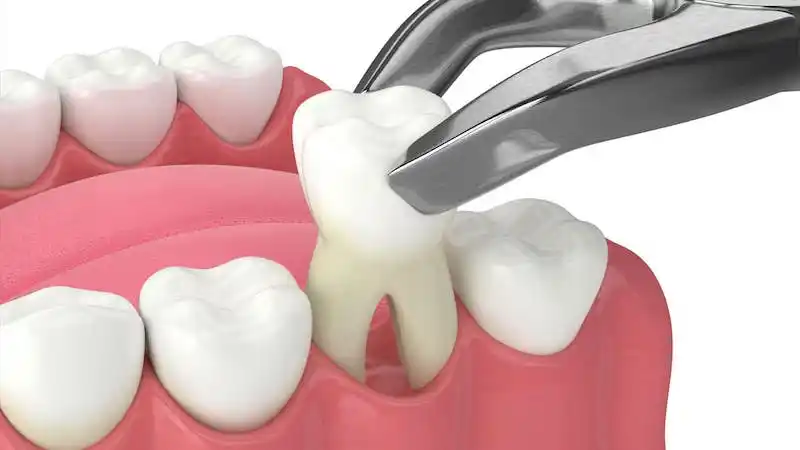
When a tooth is removed, your body begins an impressive healing process. The empty socket fills with a blood clot that acts like a protective cover for the bone and nerves beneath it.
During the first few days, that clot needs stability. Chewing tough foods, applying pressure near the area, or introducing hard textures can disturb the healing environment. This is why many people begin asking “can I eat chicken after tooth extraction” during the early recovery stage. They notice that even normal chewing feels different. Rather than rushing back to regular meals, the goal is to support healing by choosing foods that require minimal effort.
The First Recovery Phase: Gentle Foods Only
During the earliest stage of healing, dentists usually recommend very soft foods. These foods slide easily across the mouth and do not require strong chewing. Common choices include:
- Smoothies and yogurt
- Mashed vegetables and potatoes
- Oatmeal or soft soups
The reason is simple: chewing less means disturbing the extraction site less. According to general recovery advice often referenced by organizations such as the American Dental Association (ADA) and NHS dental guidance, minimizing mechanical pressure during the first days supports clot stability.
At this stage, the answer to “can I eat chicken after tooth extraction” is often “not yet.” Even tender meat may require more chewing than the healing socket prefers.
The Middle Stage: Gradually Reintroducing Texture
The Bridge to Solid Meals
As the days pass, swelling usually decreases and chewing becomes more comfortable. This stage is when patients slowly begin expanding their diet. Instead of jumping directly to tougher foods, it’s helpful to move through intermediate textures like soft scrambled eggs, soft pasta, well-cooked vegetables, and creamy rice dishes.
At this point, many people revisit the question “can I eat chicken after tooth extraction.” The answer begins to shift from “avoid it” to “possibly, depending on preparation.” Chicken that is finely shredded or cooked until very tender may be easier to manage than firm grilled pieces.
Preparing Chicken in a Recovery-Friendly Way
Food preparation matters as much as the food itself. Chicken can be soft or firm depending on how it is cooked. During recovery, gentler cooking methods are generally easier on the mouth. For example, slow-cooked chicken or chicken incorporated into soups tends to have a softer texture.
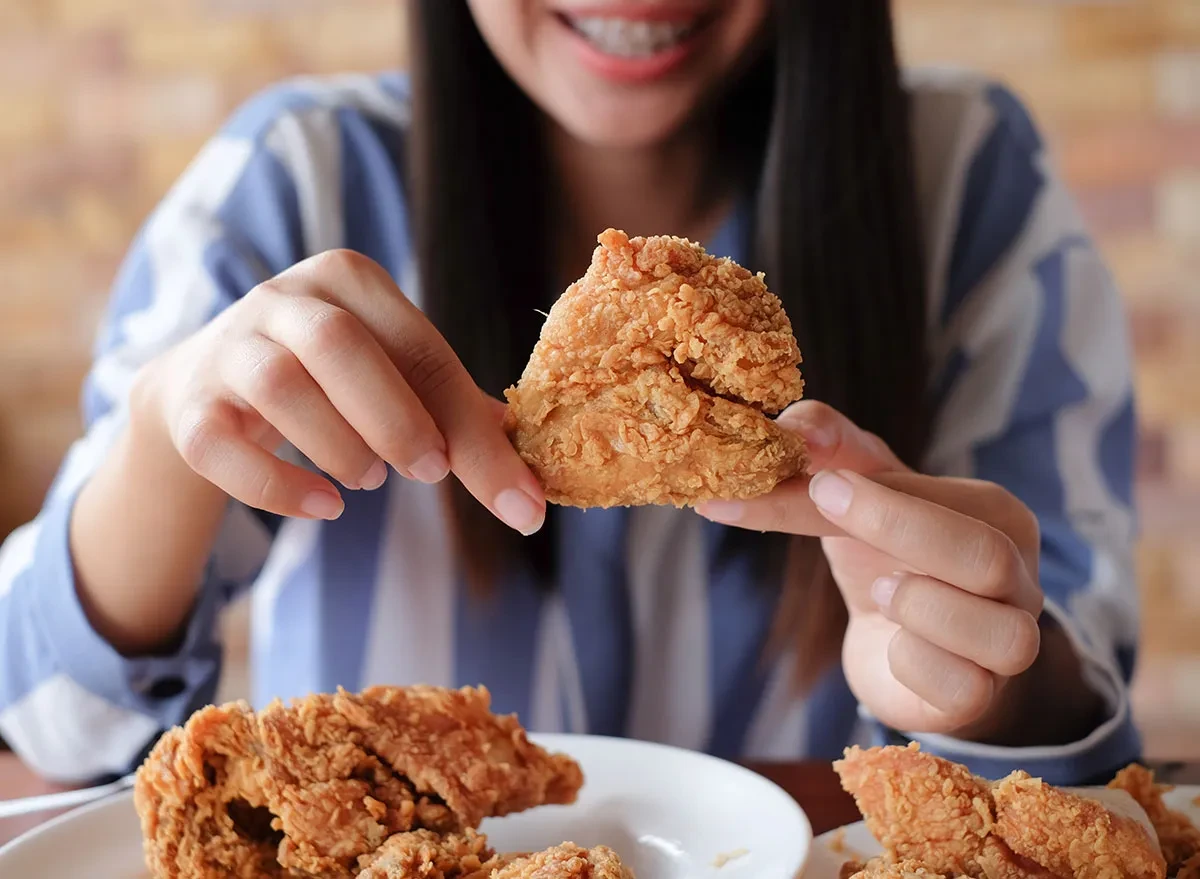
Large, chewy pieces or crispy coatings may require stronger chewing pressure. For someone asking “can I eat chicken after tooth extraction,” preparation often determines whether the meal feels comfortable. Taking small bites and chewing slowly can also make a significant difference.
Listening to Your Mouth’s Signals
One of the most valuable recovery skills is simply paying attention to your body. If chewing causes discomfort, sensitivity, or pressure near the extraction site, the mouth may need more healing time before handling that texture.
Recovery does not follow an identical timeline for everyone. Some people feel comfortable eating normal meals within a few days, while others need a longer transition. That’s why the question “can I eat chicken after tooth extraction” rarely has a universal answer. Your comfort level, the complexity of the extraction, and your dentist’s instructions all play important roles.
Supporting Healing Through Balanced Nutrition
Even while focusing on soft foods, maintaining balanced nutrition remains important. Protein supports tissue repair, vitamins assist immune function, and hydration helps the body recover from surgical procedures.
Eventually, foods like chicken can contribute valuable nutrients during healing. However, introducing them gradually allows the extraction site to remain protected while still supporting overall recovery.
Building Confidence as Normal Eating Returns
Recovery from dental procedures often improves faster than patients expect. Within days or weeks, chewing typically becomes easier and the mouth adapts to normal function again. By moving gradually from liquids to soft foods and then to more textured meals, most people can resume regular eating habits without complications.
Healing after a dental extraction is a gradual process, and food choices play a supportive role along the way. While chicken is a nutritious food, it may be easier to reintroduce it later in the recovery timeline when chewing becomes comfortable.
For those wondering “can I eat chicken after tooth extraction,” the most helpful approach is patience—start with soft foods, listen to your body, and expand your diet step by step as healing progresses. And just as you would be careful to avoid biting down on hard bones to prevent chipped porcelain crowns, always chew mindfully to protect your healing gums.