From Concern to Confidence: Understanding the Black Gum Line Around Crown and How Patients Can Navigate It
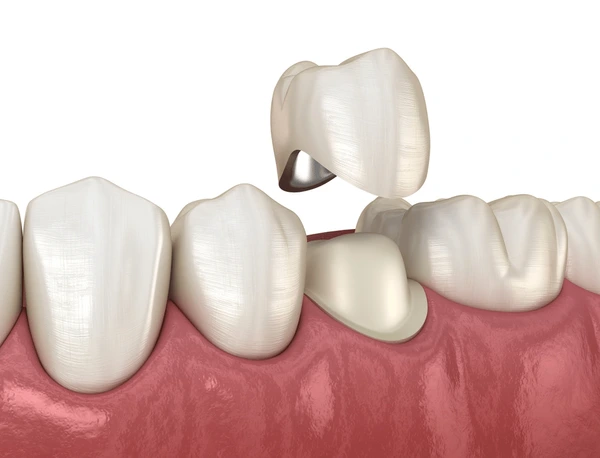
Readers of SmileNote often arrive with questions about dental changes that appear unexpectedly. One topic that frequently emerges in community discussions is the black gum line around a crown. The phrase may sound technical, yet for many people it simply describes a dark border near the gum where a crown meets the tooth.
If you notice a black gum line around a crown, it can trigger concern. Is it decay? Is the crown failing? Does it require immediate replacement? These questions are understandable, especially when the change appears suddenly in a mirror or photograph. The reality is that the presence of a dark line near a crown does not automatically indicate a serious dental problem. Instead, it often reflects a combination of crown design, gum tissue movement, and long-term oral care habits. Understanding these factors step by step can help patients approach the situation calmly and make informed decisions.
Recognizing What the Dark Line Actually Represents
Before exploring causes or solutions, it helps to clarify what the term describes. A black gum line around a crown usually refers to a thin dark band visible where the crown meets the gingiva. In many cases, the crown itself remains structurally intact and continues to function normally.
Visual Causes of Margin Discoloration
What people see as a black line may come from several visual effects:
- Exposure of a metal crown margin
- Shadowing caused by translucent ceramic materials
- Staining along the crown boundary
- Changes in gum position (recession)
Each explanation carries different implications for oral health. Some are purely cosmetic, while others may require professional attention. Understanding the visual appearance alone cannot determine the cause; professional examination is always recommended.
.jpg)
Why Older Crowns Are More Likely to Show a Dark Margin
Dental materials have evolved significantly. Crowns placed many years ago often relied on porcelain fused to metal (PFM) frameworks. While durable, these restorations sometimes create the appearance of a black gum line around a crown as gum tissue shifts.
When the crown was first installed, the metal core remained hidden under the gumline. Over time, even minor gum recession can reveal the margin. Dental literature frequently notes that gingival position can change gradually due to aging, brushing technique, or periodontal conditions. Because these changes occur slowly, patients may notice the dark line only after several years. The crown itself may still function perfectly well despite the aesthetic change.
Small Daily Habits That Influence Crown Appearance
An interesting aspect of this discussion is how everyday habits influence long-term appearance. Oral hygiene practices, for example, affect plaque accumulation around crown margins. If plaque builds up repeatedly along the edge of a restoration, discoloration may develop.
Similarly, beverages with strong pigments—coffee, tea, and red wine—can stain microscopic irregularities along the crown margin. This does not mean such foods must be avoided completely. Rather, maintaining consistent brushing and flossing helps reduce staining around crowns.
The Role of Professional Cleanings
Maintaining Crown Aesthetics
Routine dental visits play an important role in managing the visual appearance of crowns. During professional cleaning appointments, dental hygienists remove plaque and tartar from areas that may be difficult to reach at home. These visits also allow dental professionals to examine crown margins and gum health carefully.
In some situations, what appears to be a dark margin may actually be surface stain that disappears after thorough cleaning. Organizations such as the American Dental Association (ADA) emphasize preventive dental care precisely because early evaluation helps identify minor changes before they become more complex.
When the Appearance May Suggest a Structural Issue
While many dark crown margins are harmless, there are circumstances where evaluation becomes especially important. Dentists typically assess whether the crown margin still seals properly against the tooth structure. If bacteria penetrate beneath a crown margin, decay could develop under the restoration.
Signs of Potential Failure
In such situations, a black gum line might be accompanied by other signs:
- Sensitivity near the crowned tooth
- Gum irritation, redness, or bleeding
- Visible gaps at the crown margin
These symptoms do not automatically indicate a serious issue, but they do warrant professional examination to rule out secondary caries.
Exploring Cosmetic Options When Appearance Matters
Patients sometimes ask whether the dark line can be corrected even if the crown remains healthy. Dentists may discuss options depending on the cause and patient preferences. If the crown is older and the appearance is bothersome, replacing it with modern all-ceramic or zirconia materials can often improve aesthetics.
Newer materials allow better light transmission and eliminate the metal framework that historically contributed to visible margins. However, dentists typically recommend replacement only when the aesthetic benefits outweigh the biological risks and costs associated with removing an existing, functional restoration.
Conclusion
Dental restorations are designed to function for many years, but they inevitably interact with changing biological tissues. The presence of a black margin often reflects that long-term interaction rather than a sudden failure. Approaching the situation with curiosity rather than alarm can help patients make balanced decisions. A professional evaluation provides clarity about whether the change is cosmetic, biological, or structural.
Seeing this change can be surprising, yet the explanation is often straightforward. Changes in gum position, crown material design, or minor staining frequently create the dark line patients notice. Understanding these possibilities helps transform initial concern into informed awareness. With proper dental evaluation and routine care, most situations involving a black gum line around crown can be managed effectively.