Why Dentists Sometimes Recommend Bicuspid Tooth Extraction
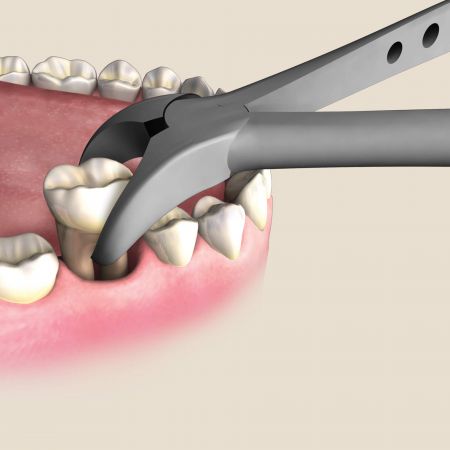
During routine dental consultations, patients occasionally hear a recommendation that surprises them: the possibility of bicuspid tooth extraction. On oral health blogs like SmileNote, readers often ask why dentists would suggest removing a healthy tooth, especially when modern dentistry usually focuses on preserving natural teeth whenever possible.
From a dentist’s perspective, the answer usually relates to space, alignment, or structural balance in the mouth. Bicuspids—also called premolars—sit between the canine teeth and molars. Because of their position, they sometimes become the most practical teeth to remove when additional room is needed for orthodontic correction. While the idea of removing a tooth may sound concerning at first, dentists typically recommend bicuspid tooth extraction only after evaluating many factors, including oral health, bite alignment, and long-term treatment goals.
Understanding Where Bicuspids Fit in Your Smile
Anatomy and Function
If you run your tongue along your teeth, you will notice pointed canines near the front of your mouth and larger molars at the back. The teeth in between these two groups are the bicuspids.
Their job is to help transition chewing forces from tearing food with the canines to grinding food with the molars. They also help maintain the shape of the dental arch. Because bicuspids sit in the middle of the arch, removing one of them can create space without dramatically affecting appearance. For this reason, orthodontists sometimes consider bicuspid tooth extraction when addressing crowding.
Situations Where Extraction May Be Suggested
Patients often assume that tooth removal happens only when a tooth is damaged or infected. In reality, there are several scenarios where dentists might discuss bicuspid tooth extraction as part of a treatment plan.
- Orthodontic Crowding: When the jaw does not have enough space for all teeth to align properly, removing a premolar may allow the remaining teeth to move into better positions.
- Severe Tooth Damage: If decay or fracture extends deep into the tooth structure, restoration may not be possible.
Dentists carefully review diagnostic images and clinical findings before recommending extraction.

How Dentists Evaluate the Need for Bicuspid Extraction
Before suggesting bicuspid tooth extraction, dentists usually gather detailed information about a patient’s oral health. This process may include:
- Dental X-rays (Panoramic and Cephalometric)
- Bite analysis
- Impressions or 3D digital scans of the teeth
Orthodontists may also use digital imaging to visualize how teeth will move during treatment. The goal of this evaluation is to determine whether removing a premolar would improve alignment and long-term stability. Dental organizations such as the American Dental Association (ADA) emphasize that treatment decisions should always be individualized.
What the Procedure Typically Involves
When patients hear the word “extraction,” they often imagine a complicated or painful procedure. In reality, modern dentistry uses local anesthesia to keep the process comfortable.
During bicuspid tooth extraction, the dentist gently loosens the tooth from its surrounding tissues before removing it from the socket. The procedure is generally quick, and patients are given instructions to support healing afterward. Recovery experiences can vary from person to person, but dentists usually provide guidance tailored to each patient’s situation.
Healing and Recovery After Extraction
The Healing Process
After a bicuspid is removed, the body begins a natural healing process. A blood clot forms in the empty socket and gradually develops into new tissue. Over time, the surrounding bone adjusts to the change. Dentists monitor this healing to ensure that recovery progresses normally.
For patients undergoing orthodontic treatment, tooth movement often begins after initial healing has occurred. Because each person heals differently, follow-up visits allow dentists to evaluate progress and address any concerns.
Addressing Common Patient Concerns
Many patients worry about how bicuspid tooth extraction might affect their appearance or chewing ability. Dentists typically explain that premolar removal is often chosen precisely because it allows orthodontists to maintain facial balance while creating space for alignment. Chewing function usually adapts as the remaining teeth adjust within the arch.
Professional organizations such as the National Health Service (NHS) also note that dental treatments should always consider the long-term health of the mouth rather than short-term cosmetic concerns.
Conclusion: Why Professional Guidance Matters
Although online discussions about tooth extraction are common, every dental situation is unique. Two patients with similar crowding may receive completely different treatment plans depending on their jaw structure, bite pattern, and overall oral health.
Consulting a qualified dental professional allows patients to understand why extraction might—or might not—be recommended in their case. Hearing that a tooth may need to be removed can feel unexpected, especially when the tooth itself seems healthy. However, bicuspid tooth extraction is sometimes recommended as part of a broader plan to improve alignment, restore oral health, or correct structural issues in the dental arch. Open communication with dental professionals helps patients understand their options and make informed decisions about their oral health.