Nutritional Modulation of Wound Healing: Analyzing the Best Foods After Tooth Extraction
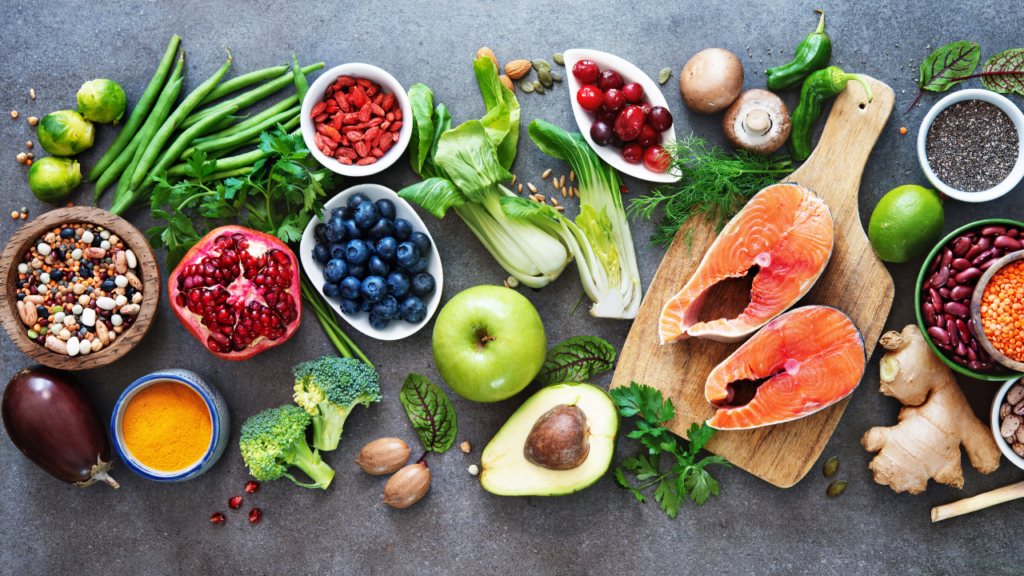
In the physiological context of oral surgery, the recovery phase is governed by the body’s ability to synthesize collagen and re-epithelialize the surgical wound. The selection of the best foods after tooth extraction is not merely a matter of patient comfort or satiety; it is a critical variable in the modulation of the inflammatory response and the acceleration of hemostasis. From a clinical perspective, dietary intake must be evaluated based on texture, thermal properties, and macronutrient density. The consumption of inappropriate textures can mechanically disrupt the fibrin clot, leading to alveolar osteitis (dry socket), while specific nutrient deficiencies can impede the proliferation of fibroblasts. This SmileNote analysis examines the biological rationale behind dietary protocols following exodontia.
Rheology and Mechanical Integrity of the Clot
The primary objective in the first 72 hours is the preservation of the blood clot.
Viscosity and Shear Stress
When addressing the common patient inquiry, "What can I eat after tooth extraction?", one must consider the rheology—the flow and deformation of matter—of the food bolus. Foods with high viscosity or particulate matter (e.g., seeds, grains, fibrous meats) require significant masticatory force and tongue manipulation. This mechanical action generates negative pressure and shear stress within the oral cavity.
The "Non-Chew" Protocol: Scientific protocols advocate for a "non-chew" diet initially. Foods such as Greek yogurt, smooth apple sauce, and blended soups possess a low yield stress, meaning they flow easily without requiring the grinding motion of the mandible. This minimizes the micromovement of the socket walls, thereby maintaining the stability of the fibrin network essential for secondary intention healing.
Thermal Considerations and Vasoconstriction
The temperature of dietary intake plays a pivotal role in the vascular response of the surgical site.
Cryotherapy via Nutrition
In the immediate post-operative window (0-24 hours), the administration of cold nutrients is advantageous. The consumption of chilled foods like smoothies or ice cream (free of particulate inclusions) induces localized vasoconstriction. This reduction in capillary diameter decreases the extravasation of blood and lymphatic fluid, thereby mitigating postoperative edema. Conversely, the introduction of hyperthermic (hot) fluids triggers vasodilation, which can re-initiate hemorrhage. Therefore, the definition of the best foods after tooth extraction is temporally dependent: cold foods are indicated for the acute inflammatory phase, while lukewarm foods are introduced as the proliferative phase begins.
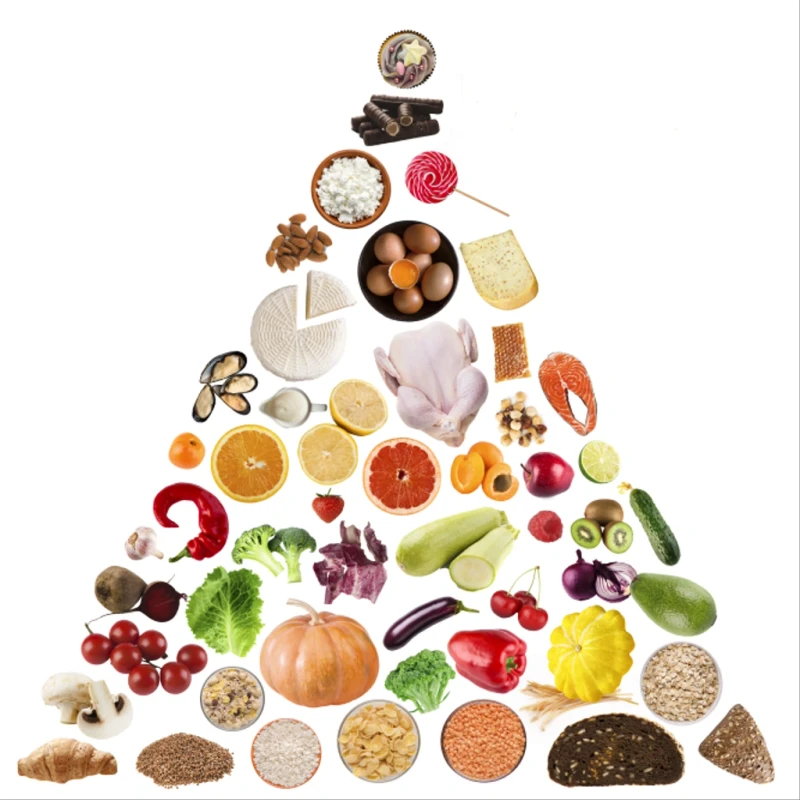
Macronutrient Requirements for Tissue Synthesis
Healing is an anabolic process requiring specific substrates.
Protein and Vitamin C Synergy
The synthesis of type I collagen, the structural scaffold of the gingiva and alveolus, is rate-limited by the availability of amino acids and ascorbic acid (Vitamin C). Clinical data suggests that patients with inadequate protein intake exhibit delayed wound closure.
- High-Value Proteins: Scrambled eggs and protein shakes are biologically superior choices. They provide the necessary nitrogen balance without the mechanical challenge of steak or chicken.
- Micronutrient Cofactors: Vitamin C serves as a cofactor for the enzymes lysyl hydroxylase and prolyl hydroxylase, which are essential for stabilizing the collagen triple helix. Soft fruits like mashed bananas or melons are excellent delivery vehicles for these micronutrients, fitting the criteria for the best foods after tooth extraction by supporting the cellular machinery of repair.
The Role of Glycemic Control
Carbohydrate selection influences the systemic inflammatory load.
Avoiding the Inflammatory Spike
While soft foods like ice cream and pudding are mechanically safe, their high sucrose content can induce hyperglycemia. Elevated blood glucose levels can impair neutrophil function (chemotaxis and phagocytosis), potentially increasing the risk of secondary infection. A clinically optimized diet emphasizes complex carbohydrates or low-glycemic options—such as mashed sweet potatoes or avocado—over refined sugars. These options provide sustained energy for the metabolic demands of healing without compromising immune function.
The identification of the best foods after tooth extraction is a science of texture and chemistry. By prioritizing low-shear fluids, cold temperatures in the acute phase, and nutrient-dense soft solids in the sub-acute phase, the patient supports the biological imperative of wound closure. The diet serves as a therapeutic adjunct to the surgical intervention, minimizing complications and optimizing the histological timeline of repair.